Playdough Emotions Sensory Tray
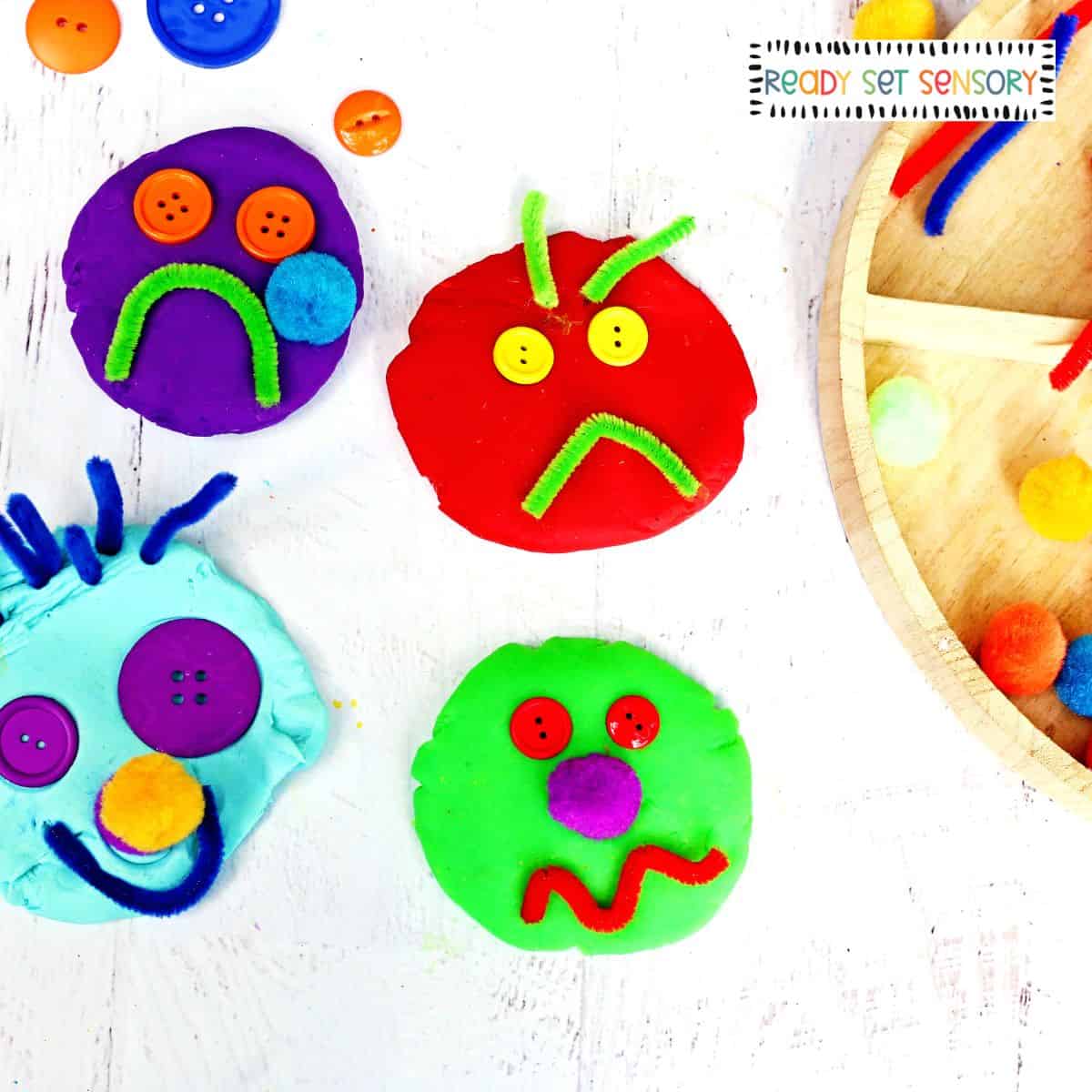
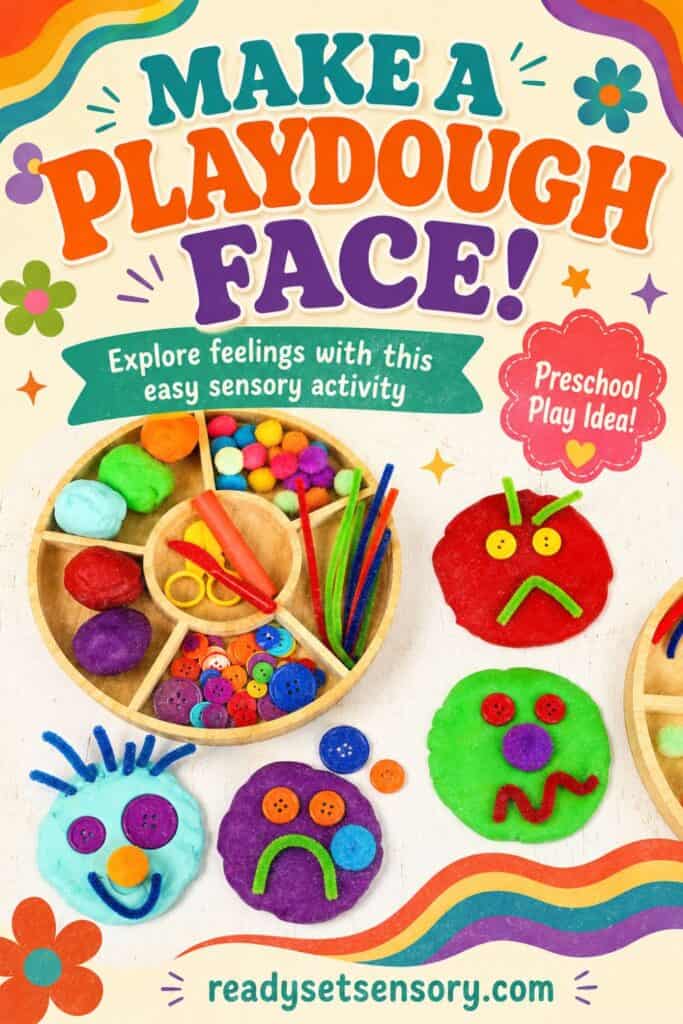
Our playdough emotions sensory tray is a simple, hands-on way for toddlers and preschoolers to explore feelings while building creativity and fine motor skills. This back-to-school activity invites kids to build faces showing different emotions using colorful playdough, buttons, pom-poms, and pipe cleaners. It’s a calming, open-ended activity that encourages kids to name feelings, talk about what makes them happy or sad, and practice recognizing facial expressions in a playful way.
There are affiliate links in this post – please read my full disclosure policy. As an Amazon Associate, I earn from qualifying purchases.

Looking for more ways to bring learning to life at home? Check out our guide on what sensory play is and why it matters, or explore sensory play benefits by age to see how activities grow with your child. You can also browse the best sensory bin fillers to spark fresh ideas for your next play session.
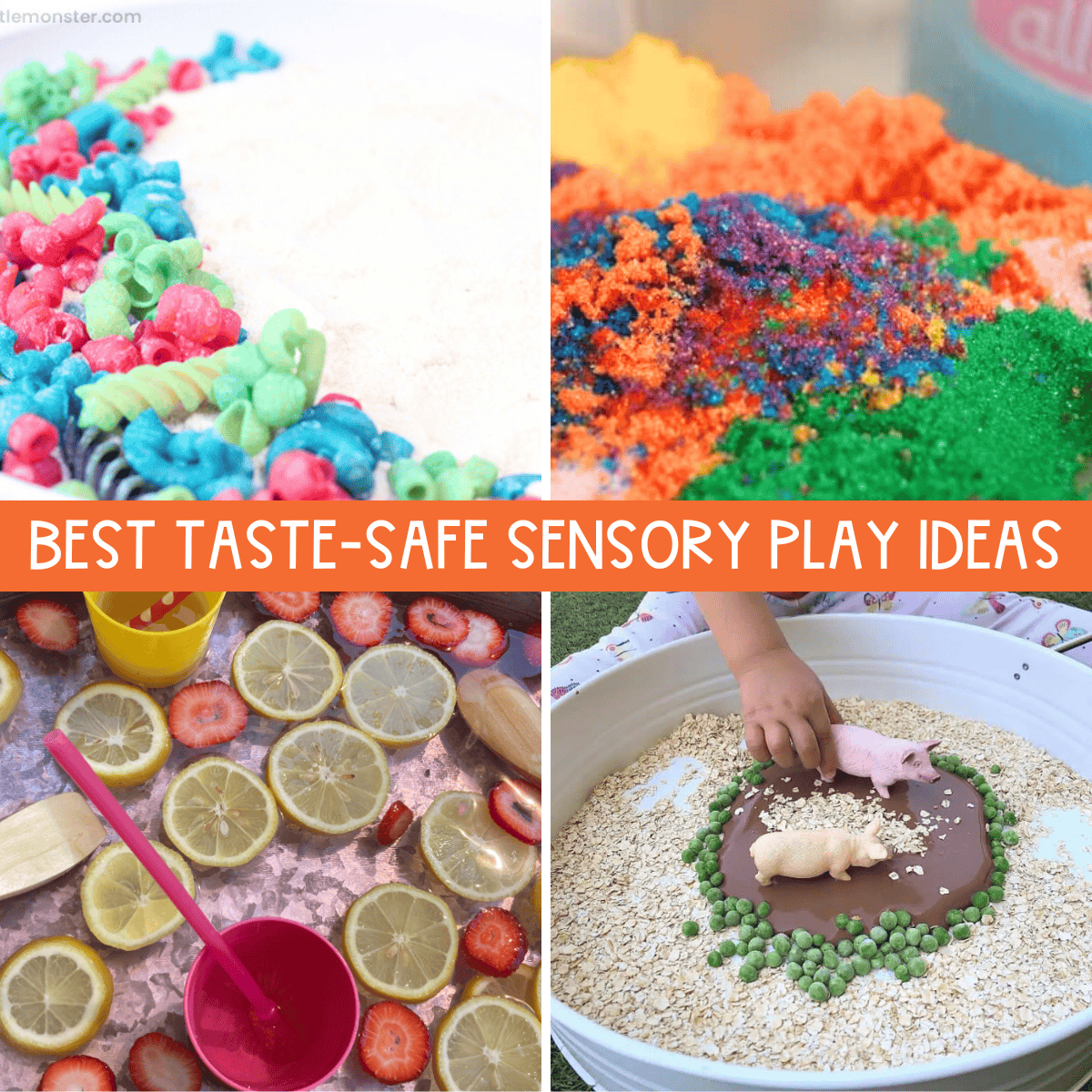
These 19+ Taste Safe Sensory Play Ideas for Babies, Toddlers, and Preschoolers are also perfect when you are looking for sensory play activities that are taste safe!
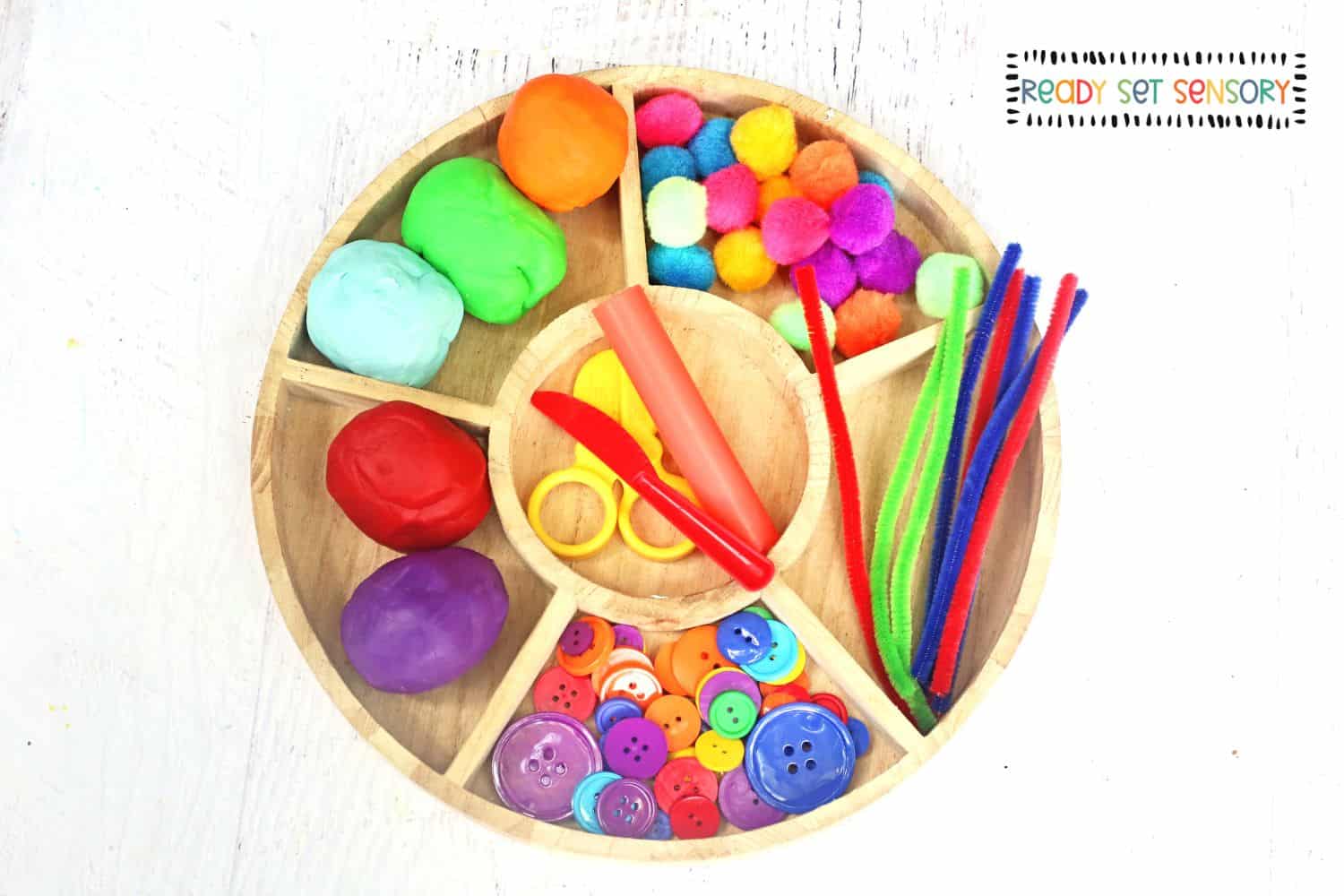
What You Need for a Playdough Emotions Sensory Tray
- Playdough in various colors (homemade or store-bought)
- Buttons in different sizes for eyes
- Pom-poms for noses or other features
- Pipe cleaners for mouths, eyebrows, or hair
- Playdough tools like rolling pins, cookie cutters, or plastic knives
- Divided tray or container to keep materials organized
💕Favorite Sensory Play Supplies
Ready Set Sensory
My favorite sensory bin supplies
A filler, a bin, and something to scoop with is a real sensory bin. Everything after that just makes it last longer and ruin less of your floor. Here’s what I keep on hand.
As an Amazon Associate I earn from qualifying purchases.
How to Set Up This Emotions Sensory Activity
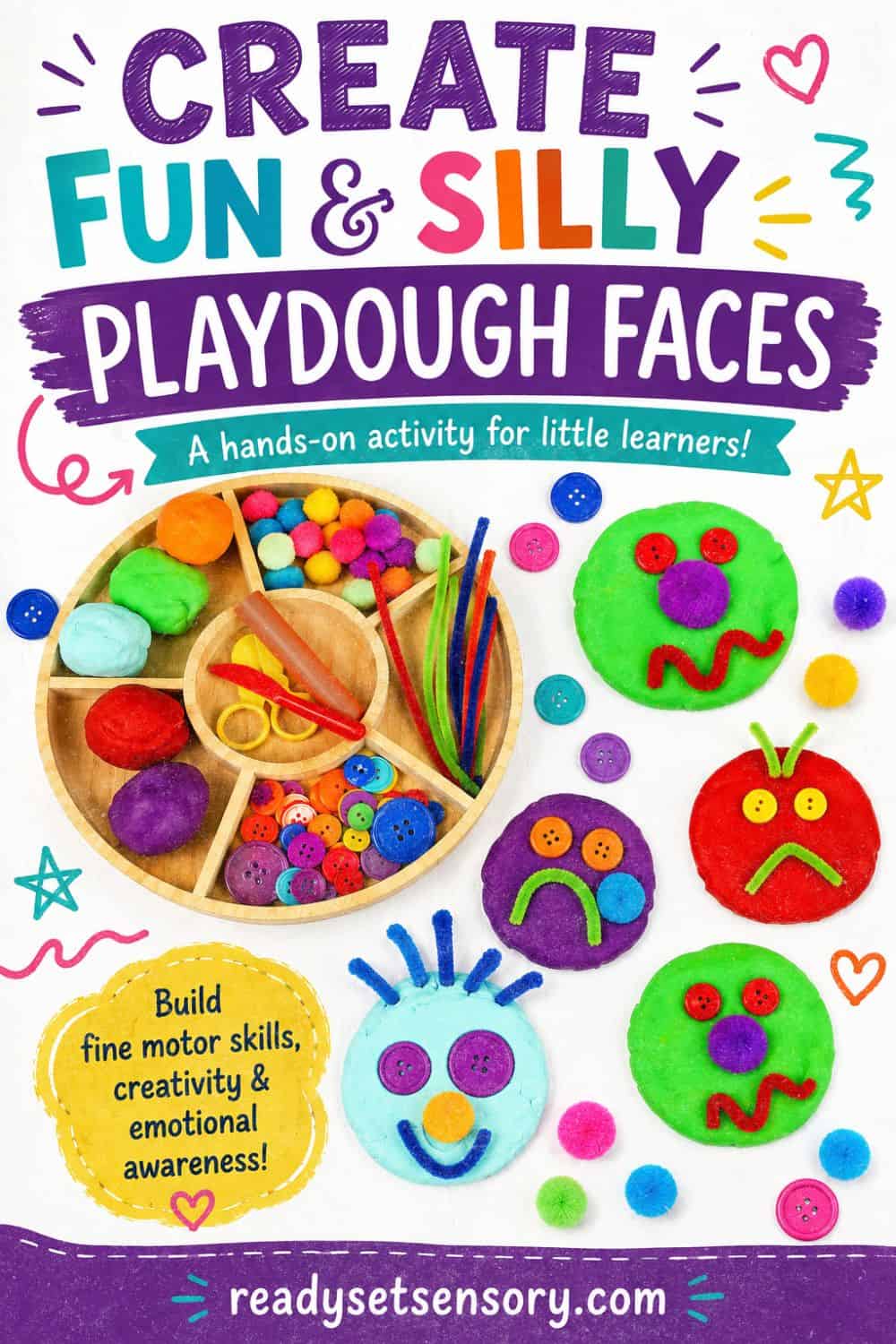
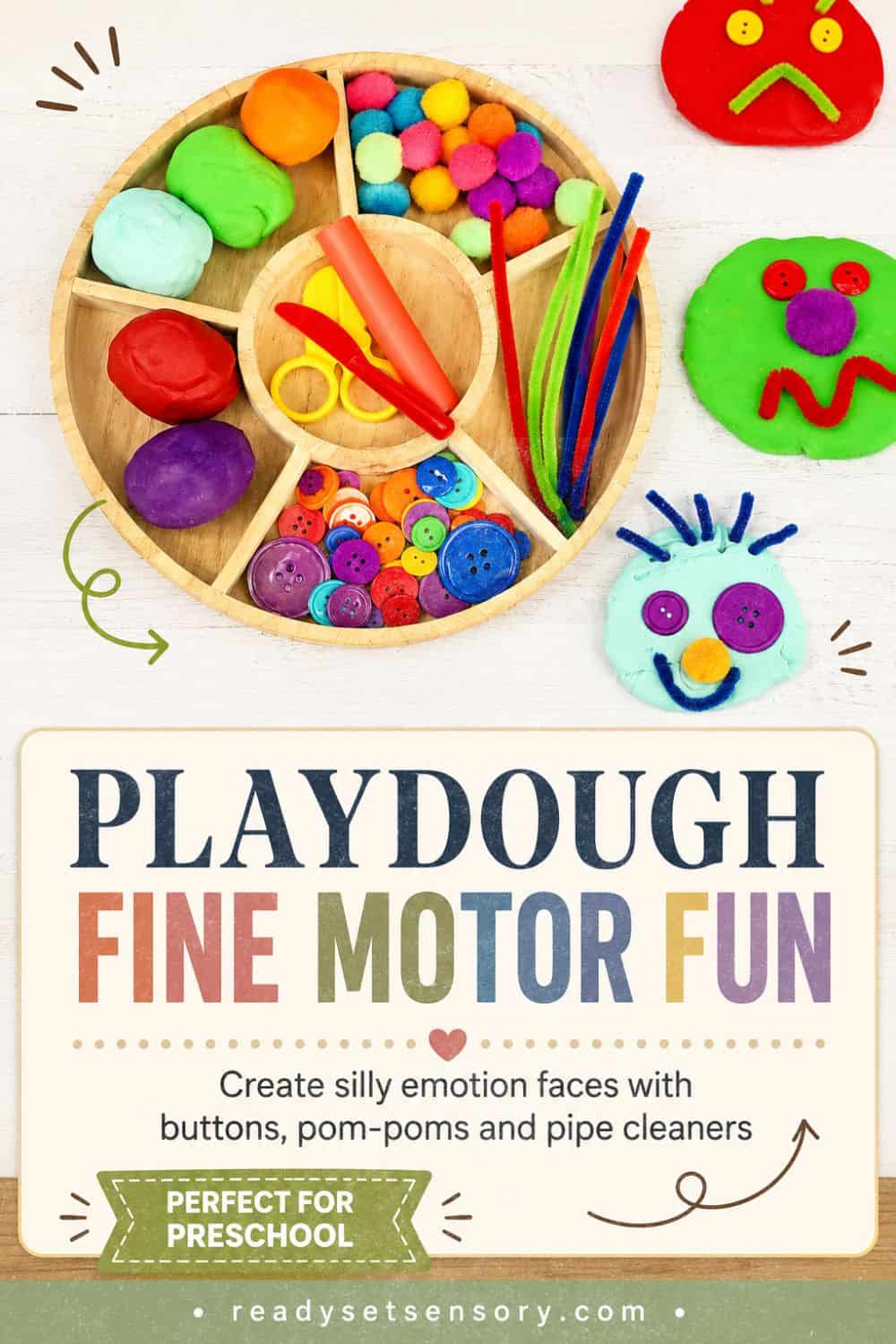
Place the playdough balls in different sections of your divided tray so kids can see all the color choices.
Add buttons, pom-poms, pipe cleaners, and tools into the other sections of the tray.
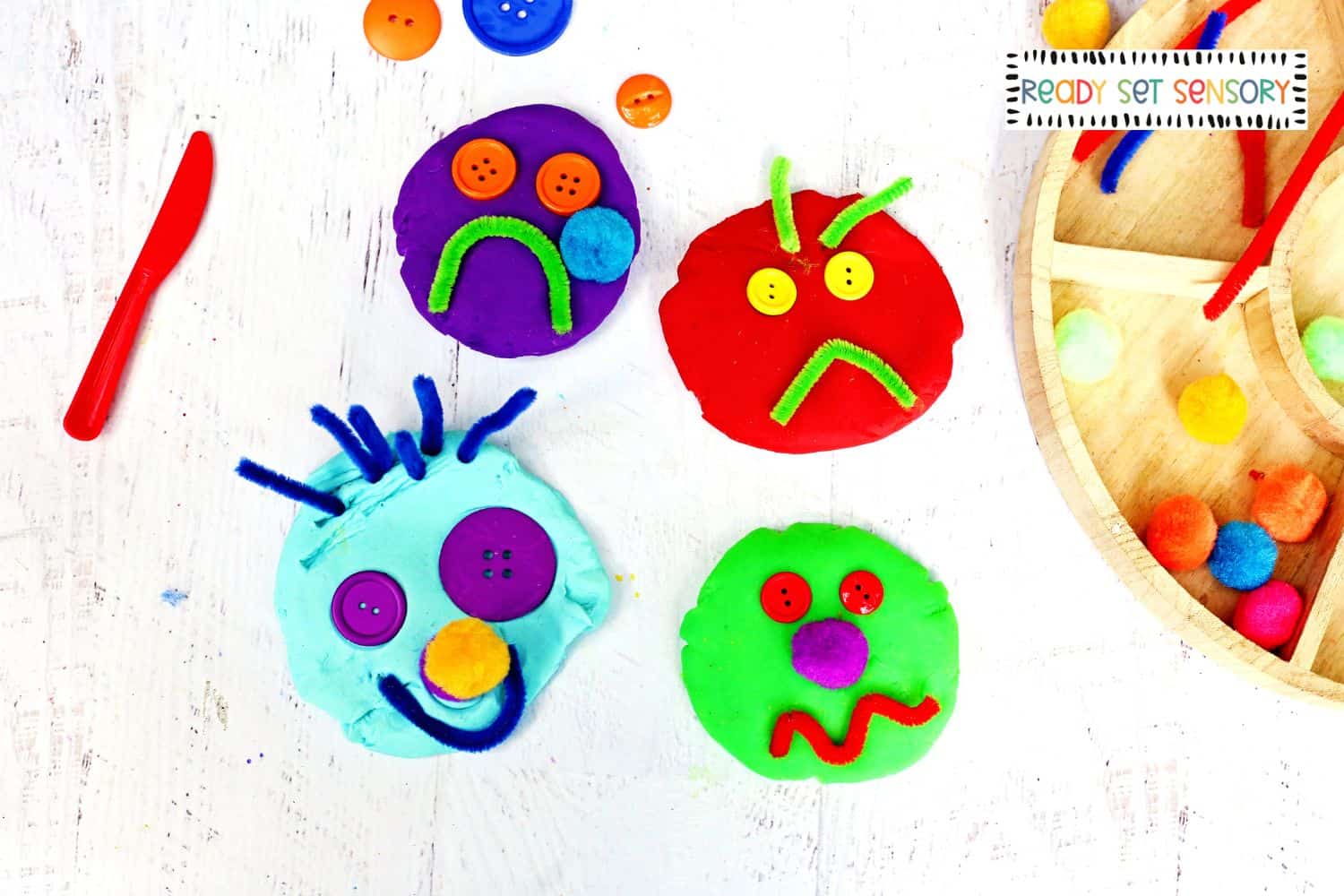
Set the tray on a table or play mat where your toddler or preschooler can reach everything comfortably.
If you like, print out pictures of different facial expressions to use as inspiration or reference cards.
Ways to Play This Emotions Sensory Bin
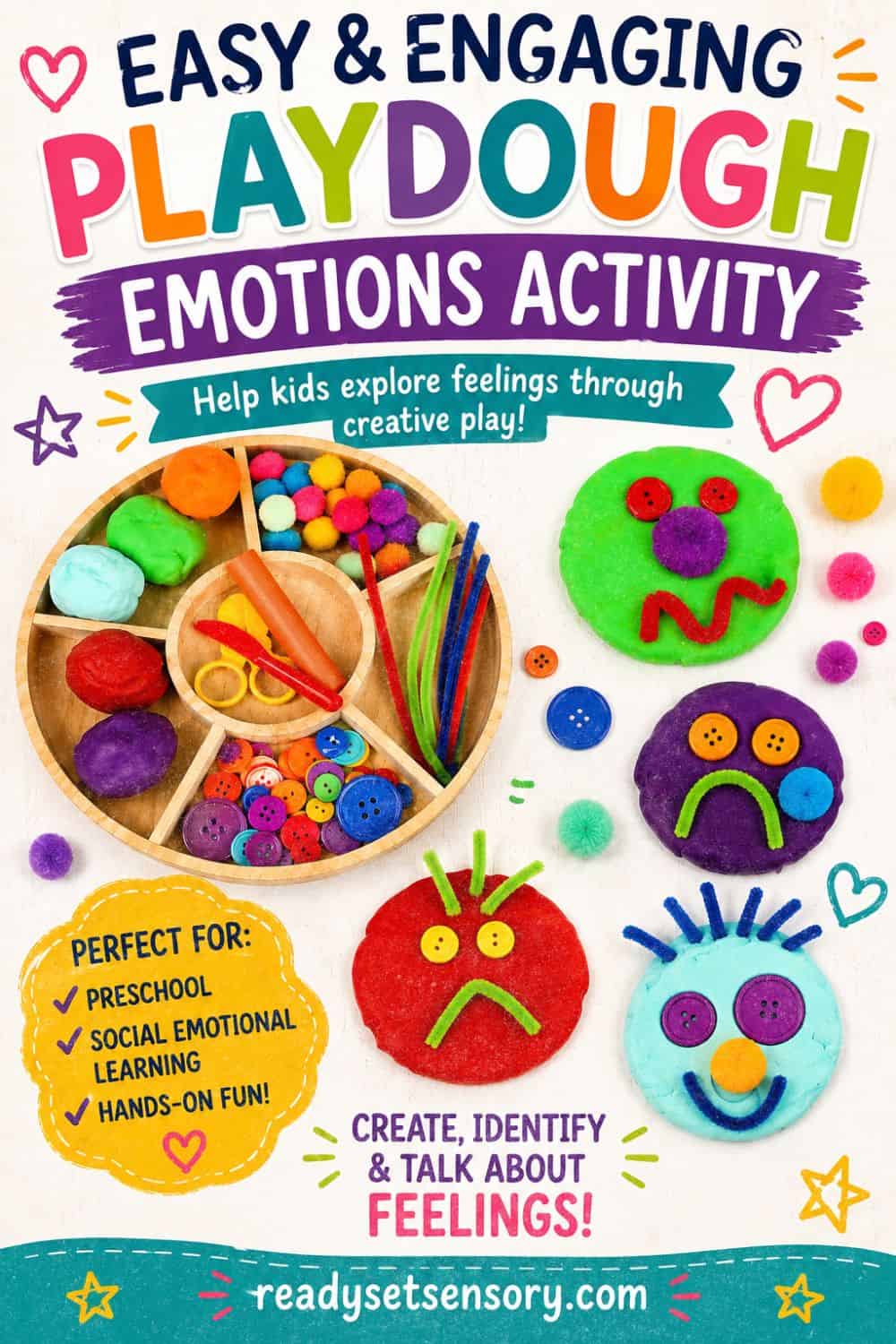
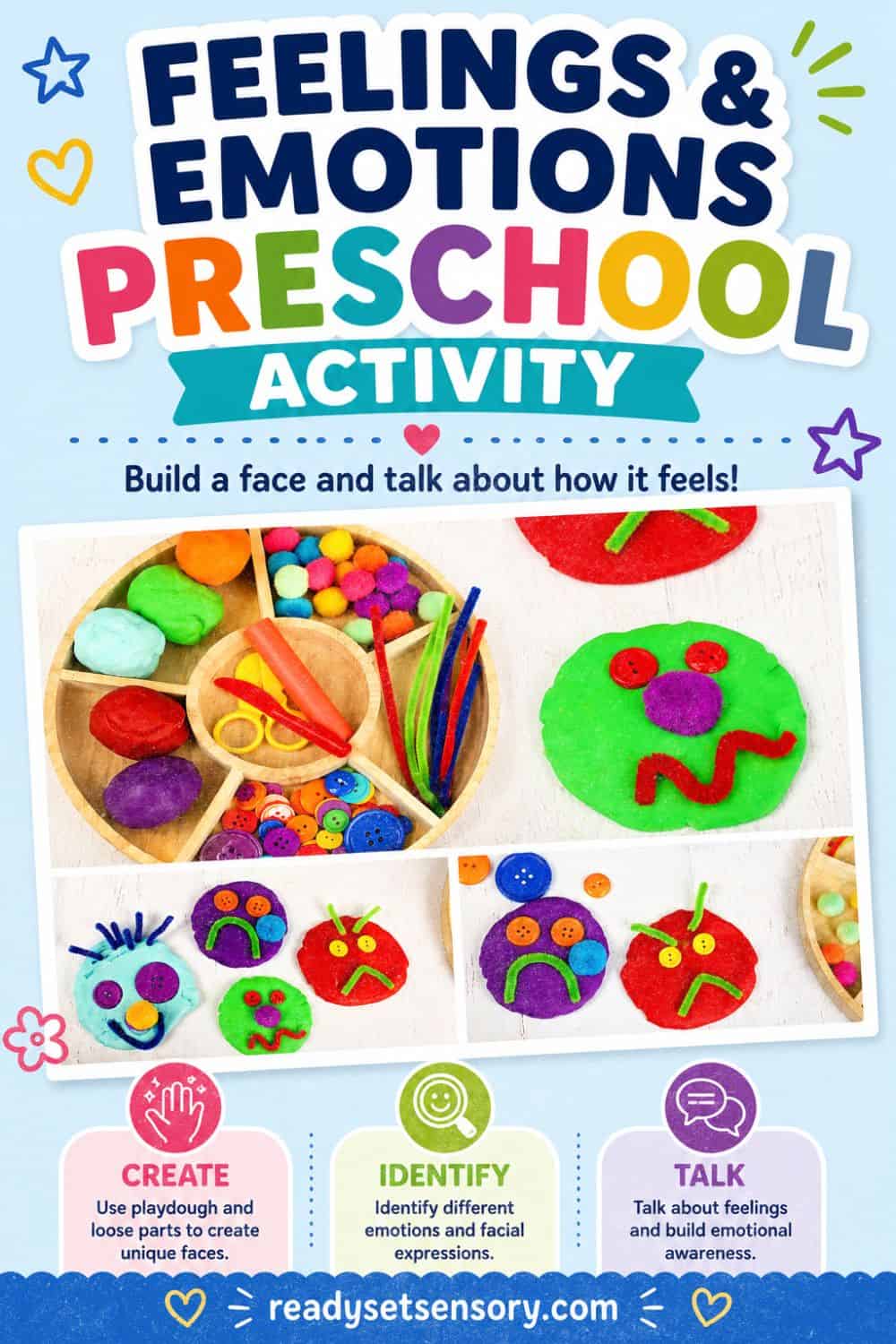
- Flatten a ball of playdough into a circle to create a face, then add buttons for eyes and a pipe cleaner smile.
- Make a happy face, then squish it and remake it into a sad or angry face to explore how features change with different feelings.
- Use pom-poms to build a silly nose or add pipe cleaner hair in wild shapes for imaginative character creation.
- Challenge kids to copy an emotion you describe out loud, or ask them to show you what a surprised face looks like.
- Roll and poke playdough with tools while talking about what makes them feel different emotions throughout the day.
- Invent characters with different personalities and give each one a name and a backstory.
Skills Kids Build in This Emotions Sensory Play
- Fine motor skills as kids squeeze, roll, flatten, and poke playdough and place small buttons and pom-poms with control.
- Emotional awareness and recognition by learning to identify happy, sad, angry, worried, and other facial expressions.
- Language development through describing emotions, naming facial features, and talking about feelings in everyday life.
- Social-emotional learning as toddlers practice empathy, recognize how others might feel, and understand their own emotions.
- Creativity and imaginative play by inventing silly characters, experimenting with wild hairstyles, and building unique faces again and again.
Tips and Variations
- For younger toddlers, start with just two emotions like happy and sad, then add more as they become comfortable.
- Use larger buttons and pom-poms for babies and young toddlers to make placement easier and safer.
- Add googly eyes, craft sticks, or yarn for even more creative possibilities and texture variety.
- Keep a feelings chart or picture cards nearby to help kids match their playdough faces to real emotions.
- Supervise closely with small materials to prevent choking, and choose age-appropriate supplies for your child.
Clean Up and Storage for Your Play-Doh Emotions Sensory Tray
- Store playdough in airtight containers or resealable bags to keep it soft and usable for weeks.
- Wipe down buttons, pom-poms, and pipe cleaners, then place them back in the divided tray or a storage bin.
- Keep everything together in one container so the tray is ready to pull out again for quick, easy play.
- Replace playdough when it starts to dry out, or make a fresh batch together as a fun bonus activity.
More Fun Sensory Bin Ideas
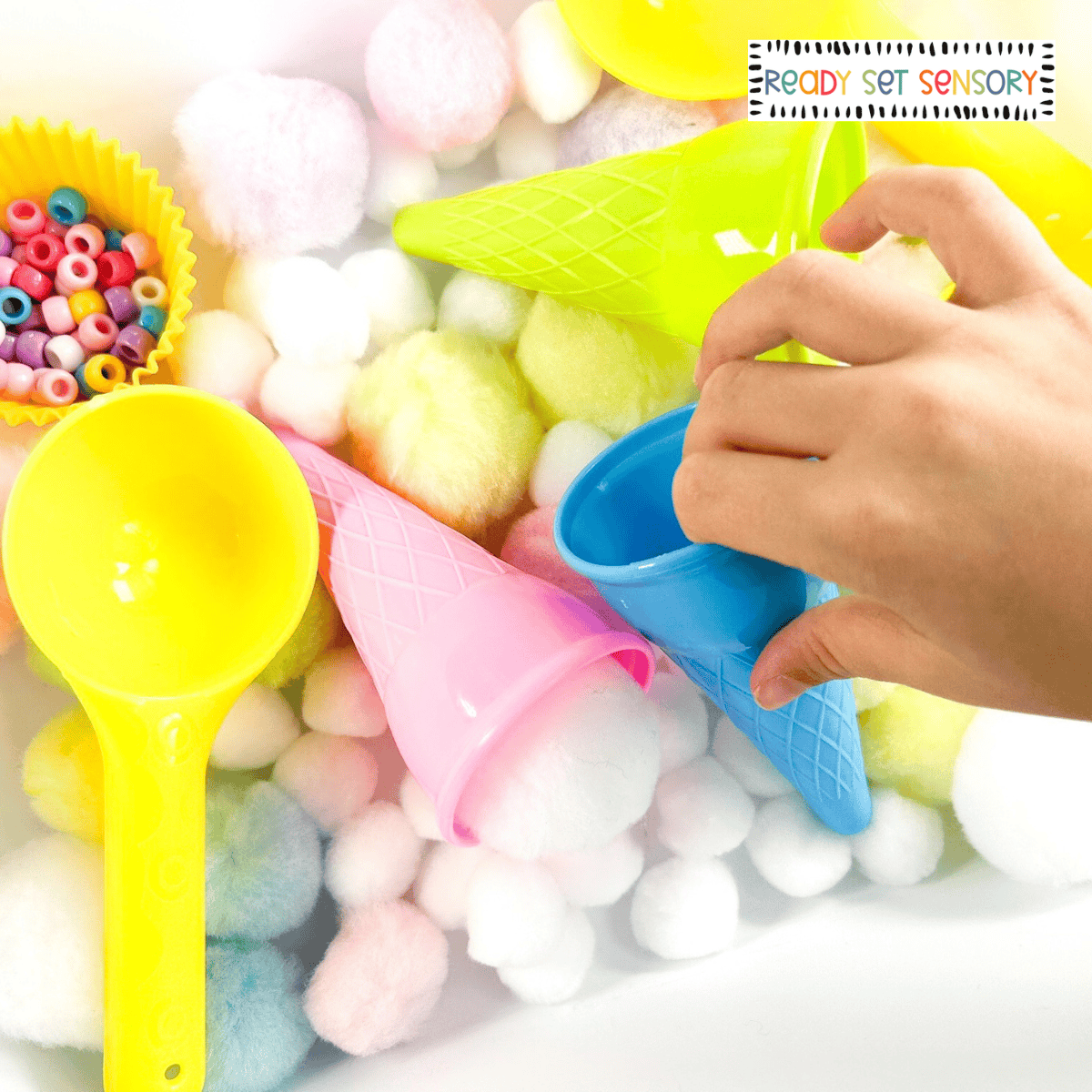
If your toddler loves this emotions activity, try a pom-pom ice cream sensory bin for colorful sorting fun, or explore a circus sensory bin filled with imaginative play opportunities. You can also explore other sensory play ideas for toddlers and preschoolers to keep learning hands-on and engaging.
This playdough emotions sensory tray is a wonderful way to talk about feelings while your toddler builds, creates, and explores. Give it a try and watch as your child lights up making silly faces and naming emotions.
Emotions Playdough Tray for Preschoolers
Ingredients
- Playdough in various colors
- Buttons in different sizes
- Pom-poms
- Pipe cleaners
- Playdough tools
- Divided tray or container
Instructions
- Arrange playdough, buttons, pom-poms, pipe cleaners, and tools in a divided tray.
- Flatten a ball of playdough into a face shape.
- Press buttons into the playdough for eyes.
- Add pom-poms for noses and pipe cleaners for mouths or hair.
- Ask your child to create different emotions like happy, sad, or surprised.
- Squish and rebuild faces to explore new feelings.