Sounds of Nature Sensory Bottles
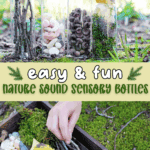
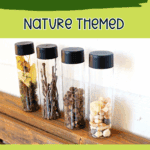
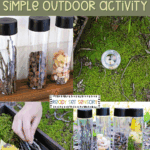
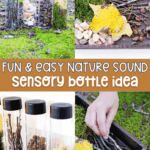
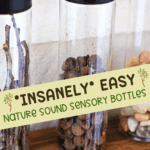
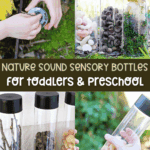
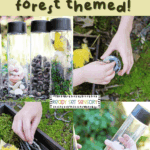
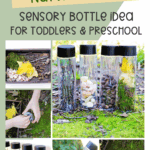
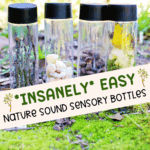
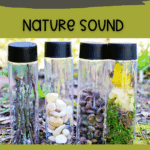
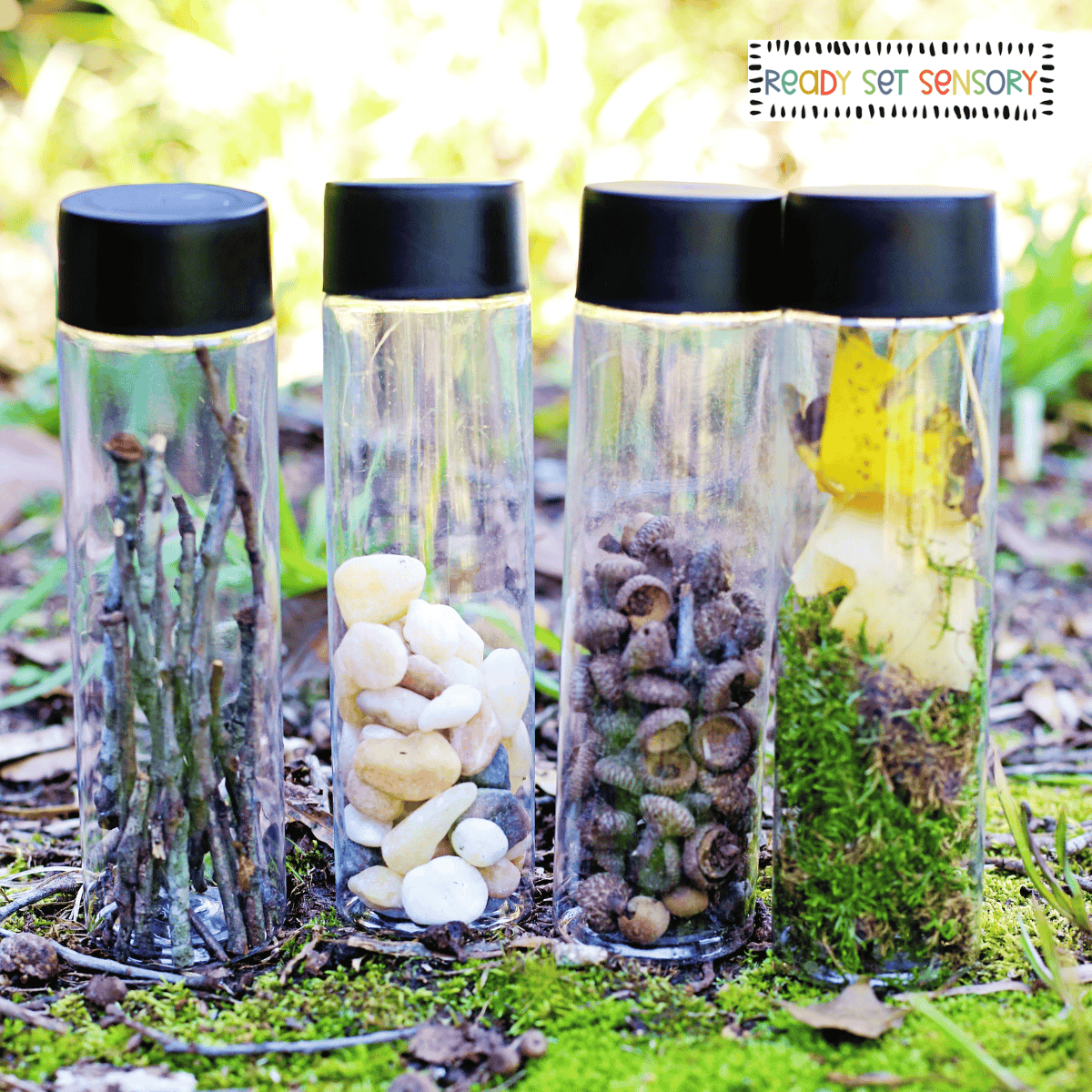
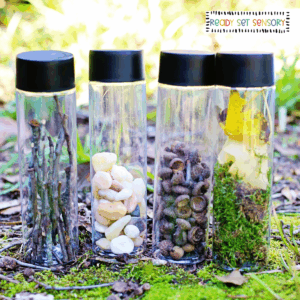
Nature Sounds Sensory Bottles are a calming sensory activity for toddlers and preschoolers that brings the sounds of the outdoors into simple, hands-on play. Children create their own sound makers using natural materials they can see, touch, and hear.
Each bottle becomes a little sound experiment as kids shake, tilt, and listen. The mix of pebbles, sticks, leaves, and moss creates unique noises that invite curiosity and focus.

There are affiliate links in this post – please read my full disclosure policy. As an Amazon Associate, I earn from qualifying purchases.
This activity works especially well for quiet play, calming sensory breaks, or small group exploration. It also gives children a chance to slow down and really listen.
Nature Sounds Sensory Bottles combine creativity, fine motor play, and gentle learning in one easy setup..
You may also want to check out our Landed on the Moon Sensory Bin (Easy Space Sensory Idea) and the Homemade Cloud Dough Ice Cream Sensory Bin.
👇What You Need for Nature Sounds Sensory Bottles
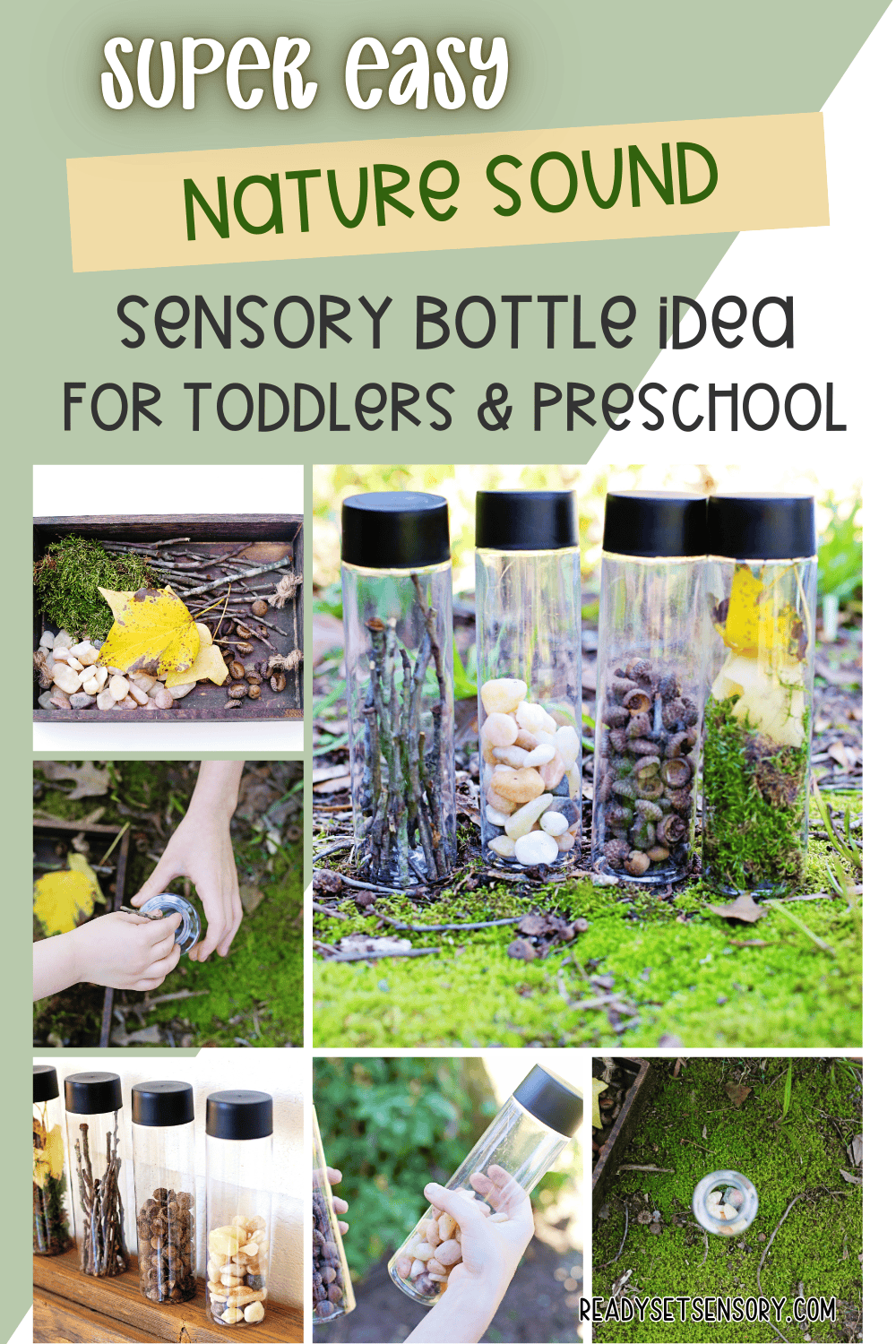
- Clear sensory bottles or empty plastic water bottles
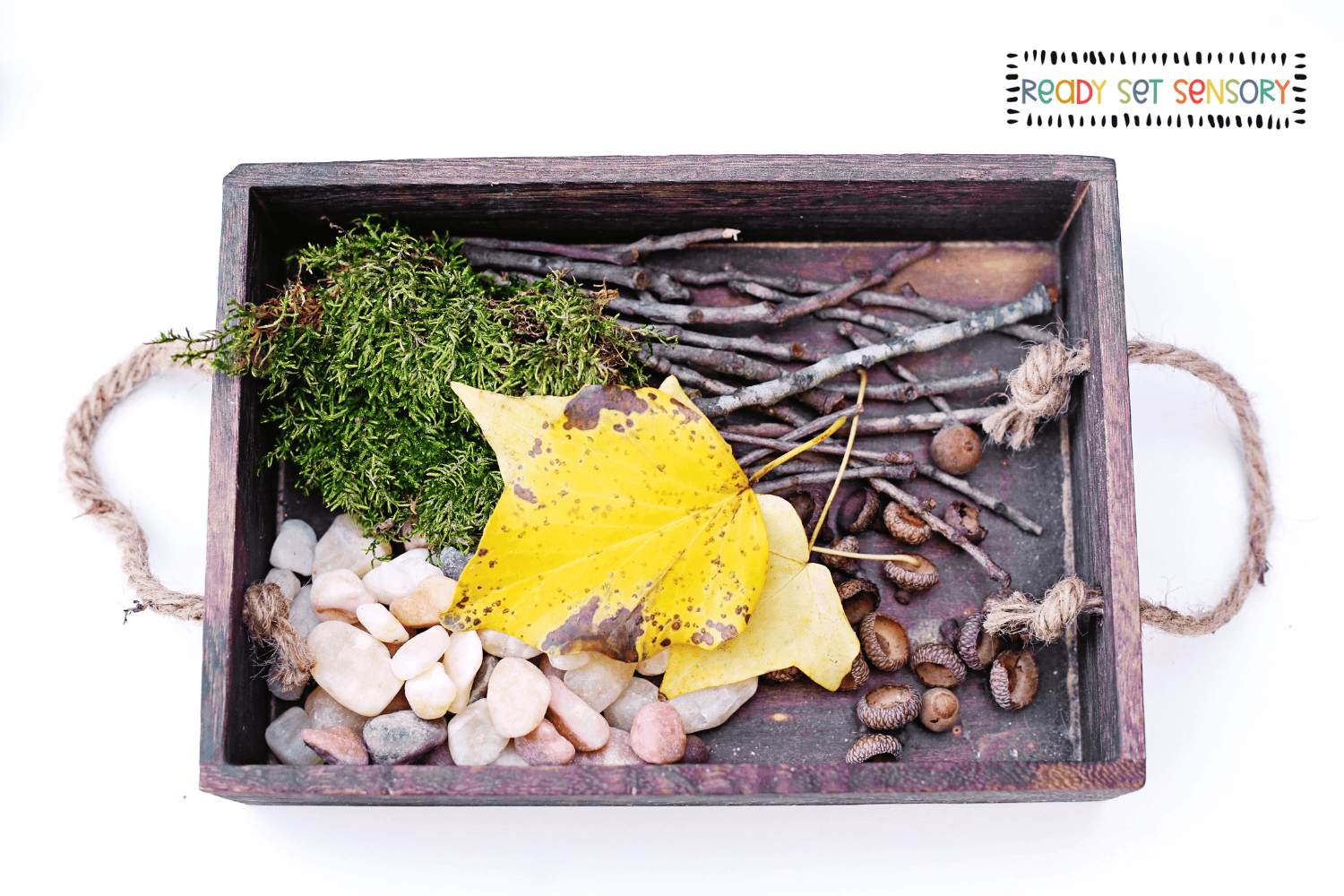
- Natural materials such as:
- Acorns
- Small sticks
- Pebbles or small rocks
- Leaves
- Moss
- Strong glue or tape to seal lids
- Optional small funnel for easier filling
💕Favorite Sensory Supplies
No products found.

⭐️How to Set Up These Nature Sounds Sensory Bottles
Go on a short nature walk to collect natural materials.
Sort materials by type so children can see the differences.
Place bottles upright on a flat surface.
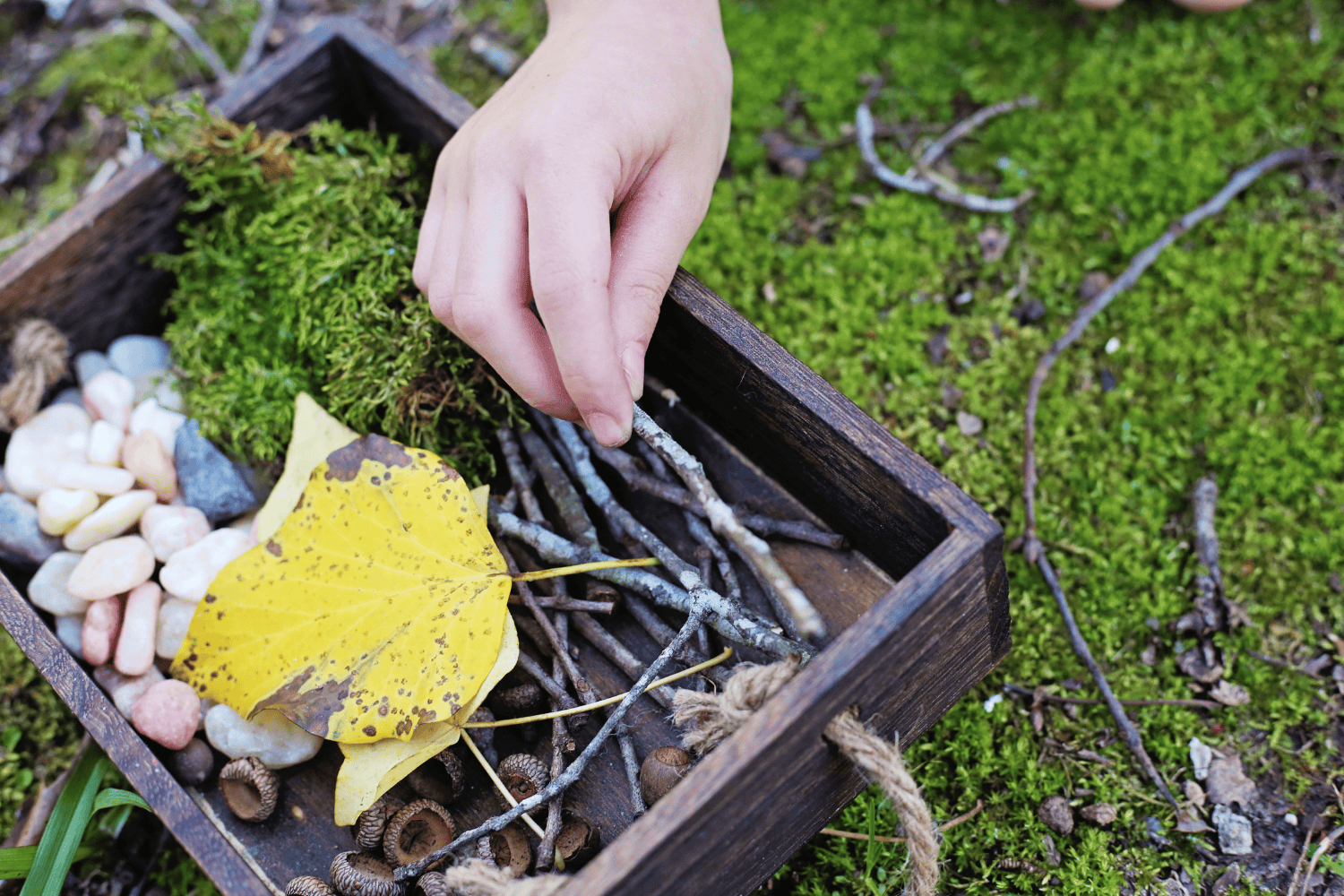
Invite children to add natural items into the bottles, leaving space so items can move.
Secure the lids tightly using strong glue or tape.
💫Ways to Play These Calming Sensory Bottles
Children can shake each bottle and listen closely to the sounds inside. They may notice that rocks clatter loudly while leaves and moss make softer noises.
Kids can compare bottles and guess what materials are inside based on sound alone. They can also roll the bottles or tilt them slowly to hear how the sound changes.
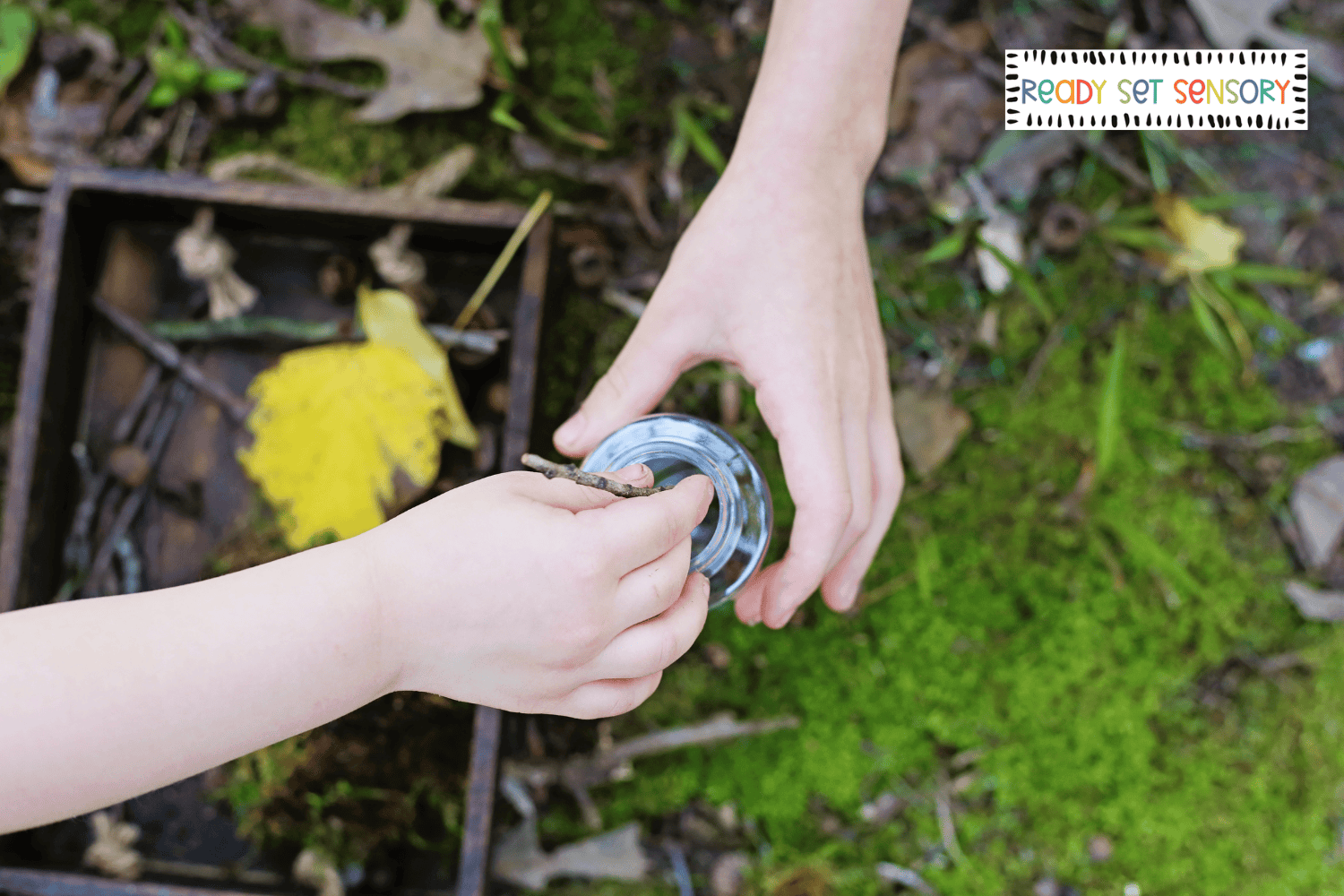
Talking about loud versus soft sounds encourages listening skills and simple sound awareness while keeping play calm and focused.
🧠Skills Kids Build in These Nature Sounds Sensory Bottles
- Filling the bottles helps build fine motor strength and hand-eye coordination. Picking up small natural items and placing them into bottles requires careful control.
- Listening to and comparing sounds supports early language development. Children practice describing textures, sounds, and differences using their own words.
- This activity also encourages early STEM thinking as kids predict which bottle will be loudest or quietest. The gentle sounds provide calming sensory input that many children find soothing.
💡Tips and Variations for Nature Sensory Play
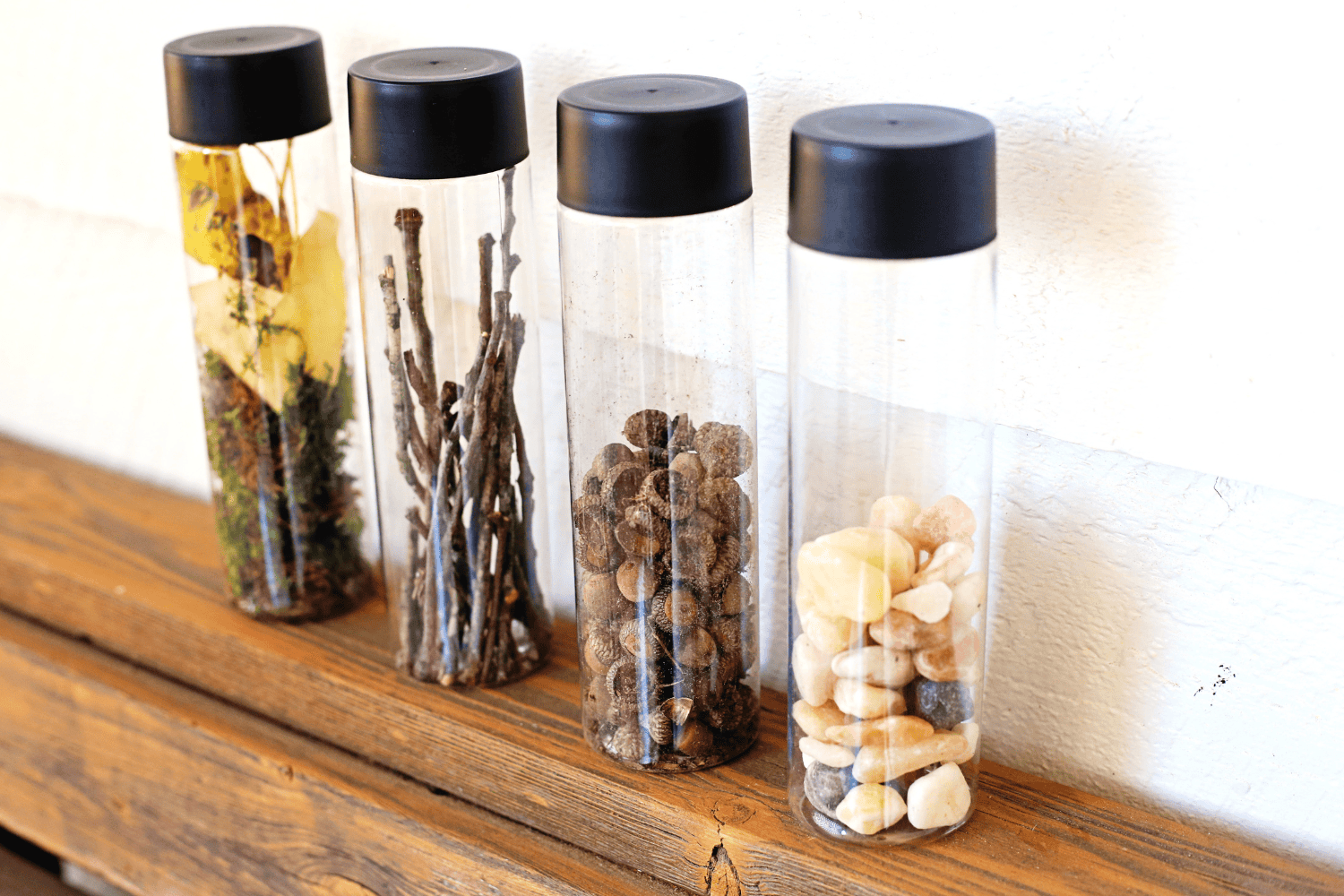
- Create one material per bottle for clearer sound comparisons.
- Label bottles with pictures of what is inside for matching games.
- Use larger natural items for younger children.
- Add this activity to a nature or quiet corner in the classroom.
🧹Clean Up and Storage Tips for Sensory Bottles
- Store sensory bottles in a bin or basket where they will not roll away. Keep them out of direct sunlight to prevent warping.
- Wipe bottles clean as needed and inspect lids before each use. Discard bottles that become cracked or damaged.
Calming Nature Sound Sensory Bottles
Materials Needed
- Clear sensory bottles or plastic water bottles
- Natural materials such as acorns small sticks, pebbles, leaves, and moss
- Strong glue or tape
- Optional funnel
Instructions
- Take children on a nature walk to collect natural materials.
- Sort and examine the materials together.
- Place bottles upright on a table.
- Add natural items to each bottle, leaving space for movement.
- Secure lids tightly with glue or tape.
- Allow bottles to dry fully if glue is used.
- Invite children to shake, tilt, and listen to each bottle.
- Compare sounds and talk about what is loud, soft, or different.
Notes
- Use one type of material per bottle.
- Label bottles with pictures for matching activities.
- Choose larger materials for younger children.
- Use bottles during quiet time or calming breaks.