What Is Sensory Play? Benefits, Examples, and Why It Matters for Kids
Sensory play is one of those things you’ve probably seen everywhere, rice bins, play dough, slime, water tables, but may not have realized just how important it is for kids’ development.
There are affiliate links in this post – please read my full disclosure policy. As an Amazon Associate, I earn from qualifying purchases.
At its core, sensory play helps children explore the world through their senses. It supports learning, emotional regulation, creativity, and essential motor skills, all through simple, hands-on activities.
In this guide, you’ll learn exactly what sensory play is, why it matters, and easy examples you can try at home or in the classroom.
💫What Is Sensory Play?
Sensory play refers to activities that engage one or more of a child’s senses. This includes:
- Touch
- Sight
- Sound
- Smell
- Taste
- Movement (body awareness and balance)
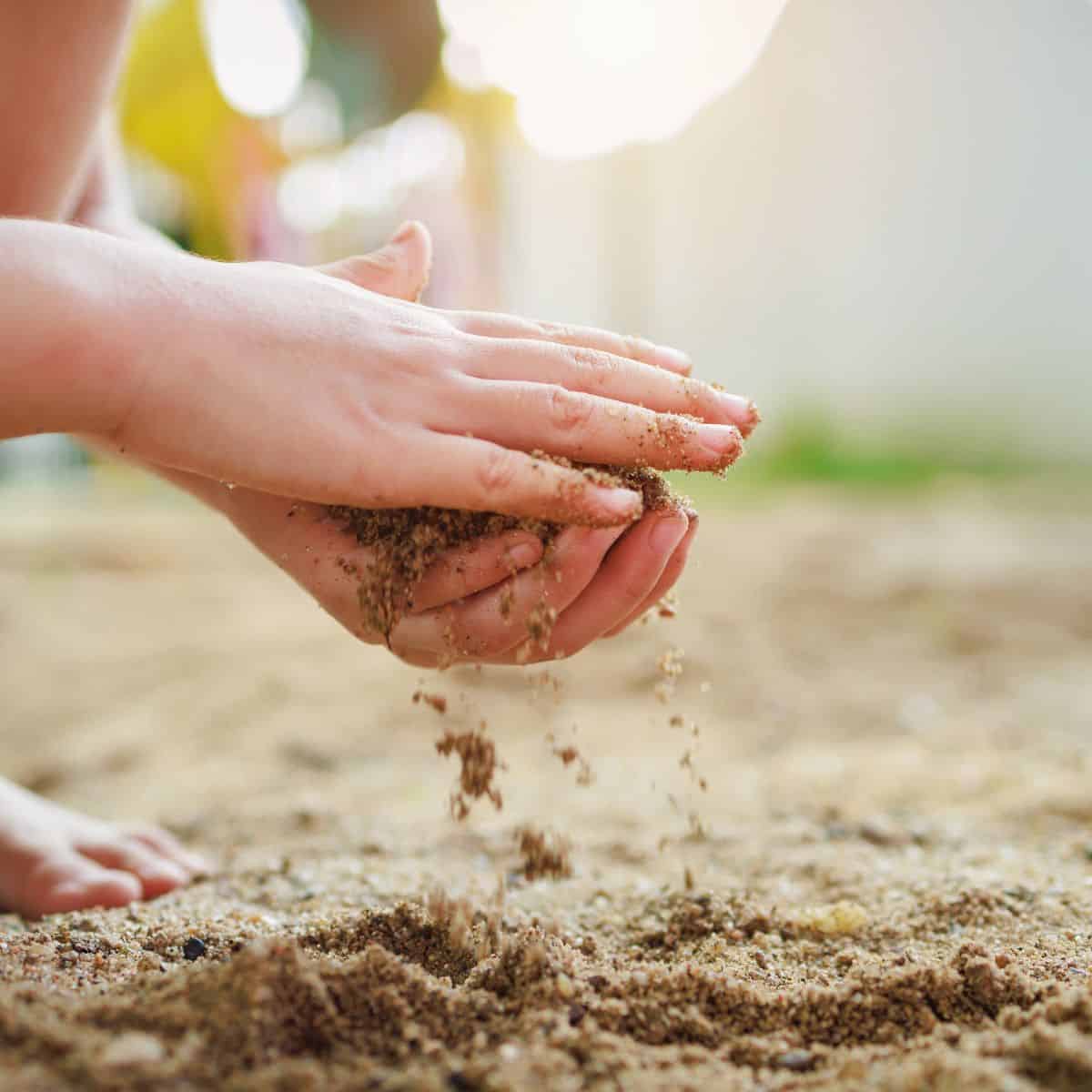
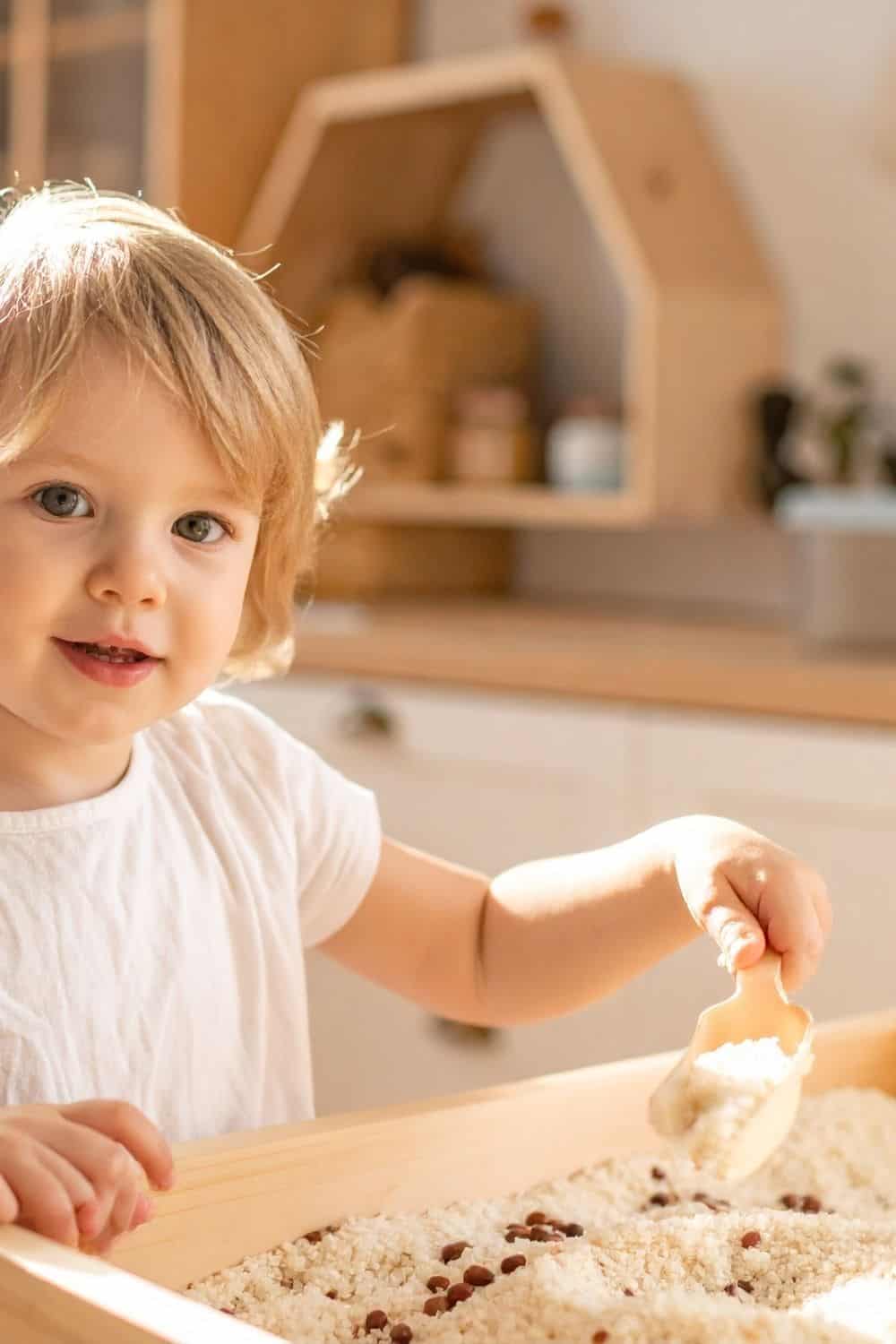
When children scoop rice, squish play dough, pour water, or listen to the sound of beans falling into a cup, they’re using their senses to explore, experiment, and learn.
Sensory play is especially common in early childhood because young kids learn best through hands-on experiences, not worksheets or screens.
🧠Why Sensory Play Is Important for Kids
Sensory play isn’t just about keeping kids busy. It plays a key role in healthy development, especially in the early years.
Supports Brain Development
When children interact with different textures, temperatures, and materials, their brains are forming new connections. These experiences help strengthen problem-solving skills, memory, and focus.
Builds Fine and Gross Motor Skills
Simple actions like pouring, pinching, squeezing, and scooping help develop fine motor skills needed for writing, cutting, and self-care tasks. Larger sensory activities, like water play or movement-based sensory play, support balance and coordination.
Encourages Language and Communication
Sensory play naturally invites conversation. Kids describe what they feel, see, and hear using new words, which supports vocabulary growth and expressive language.
Helps With Emotional Regulation
Many sensory activities have a calming effect. Repetitive motions like stirring, squeezing dough, or running hands through rice can help kids regulate big emotions and feel more grounded.
Boosts Creativity and Independence
Sensory play is open-ended. There’s no right or wrong way to play, which encourages imagination, confidence, and independent thinking.
💕Examples of Sensory Activities
Sensory play doesn’t need to be complicated or messy to be effective. Here are some common examples you may already be doing without realizing it.
Sensory Bins
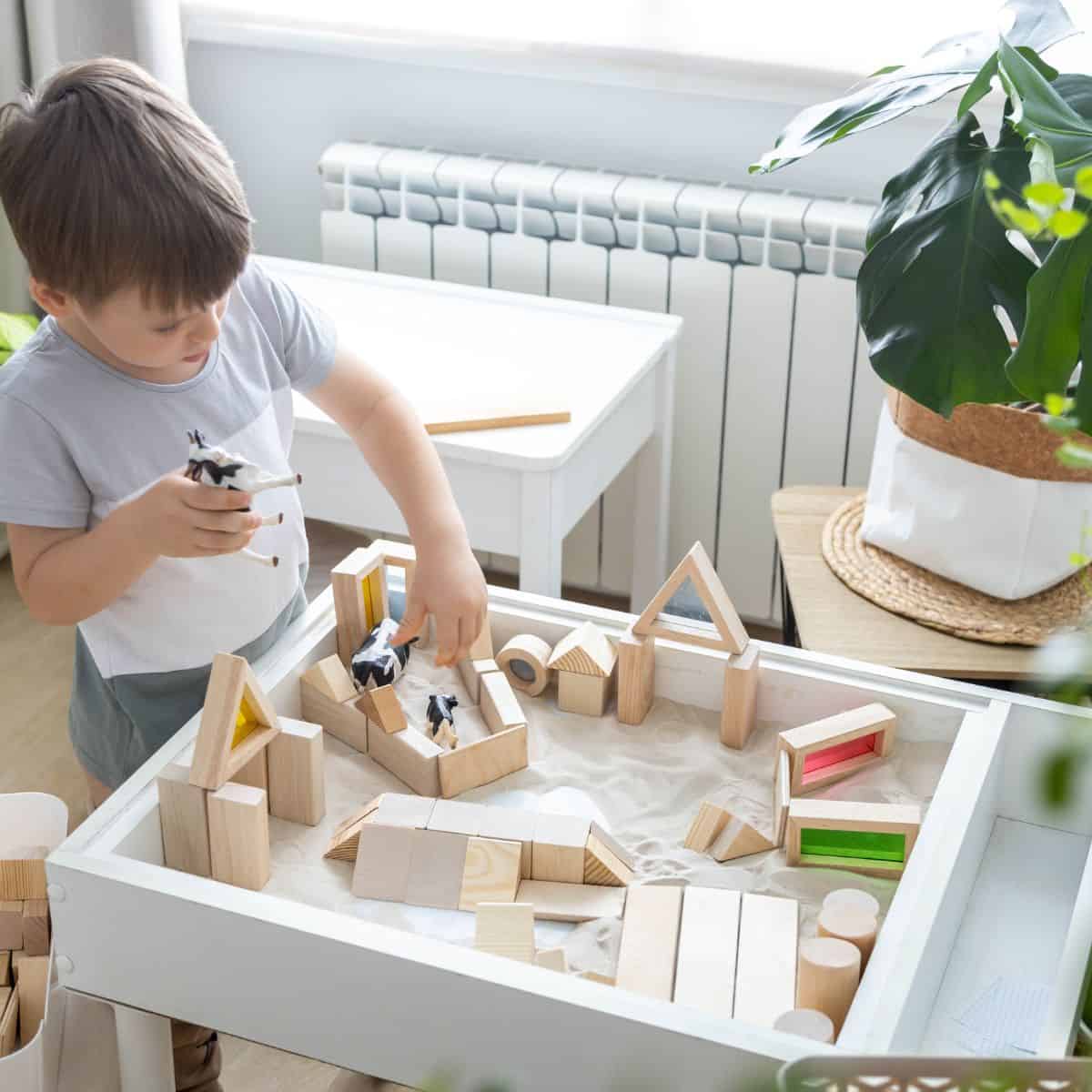
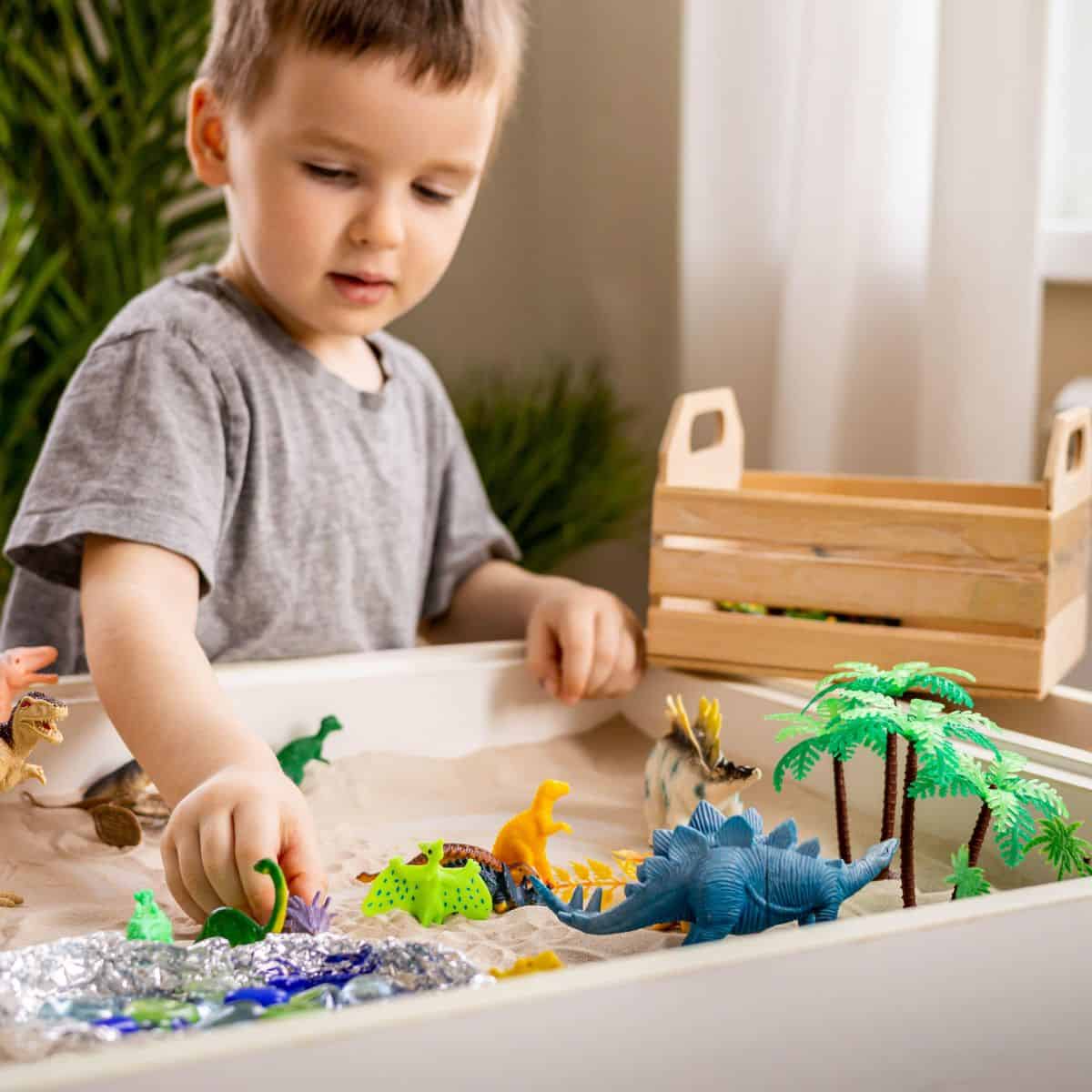
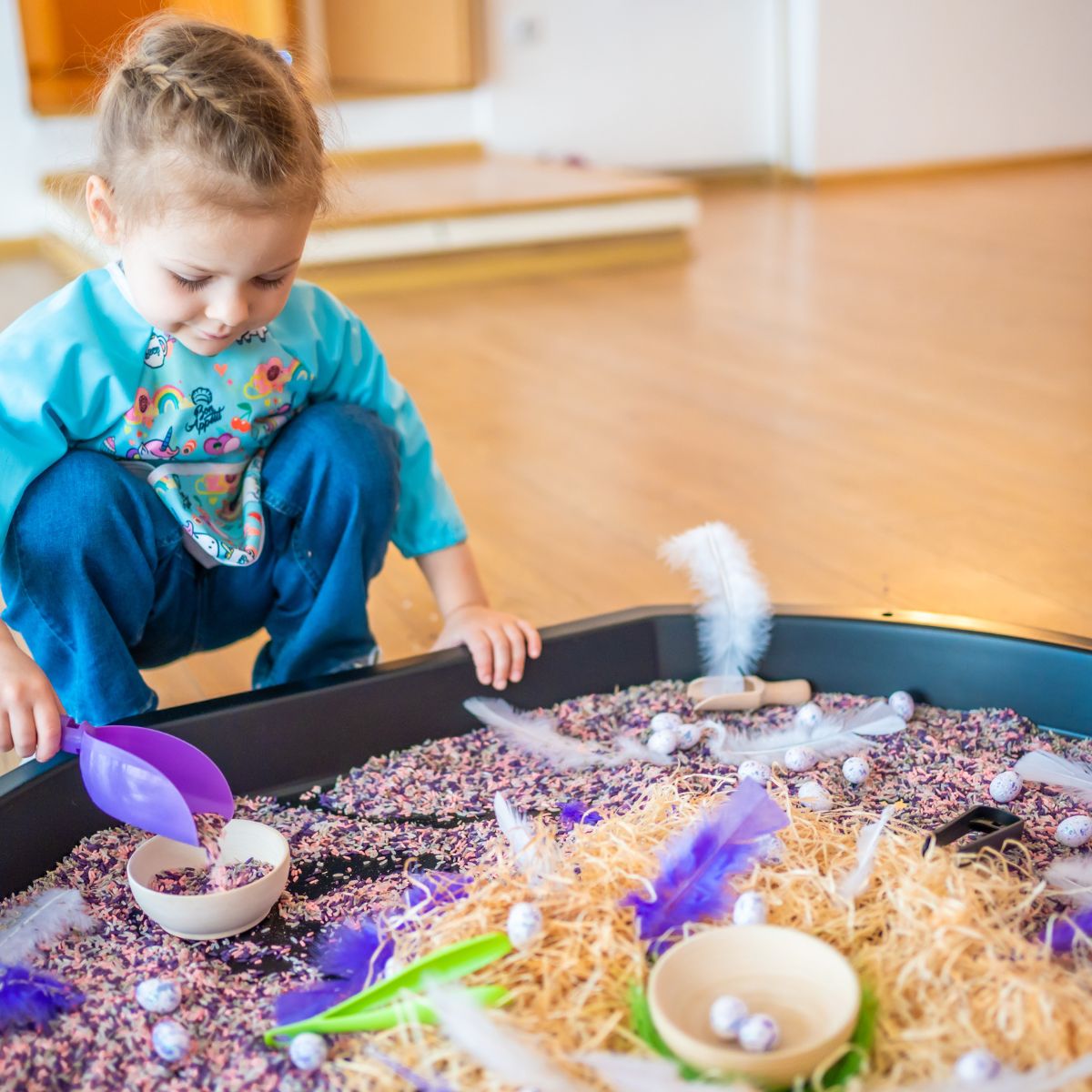
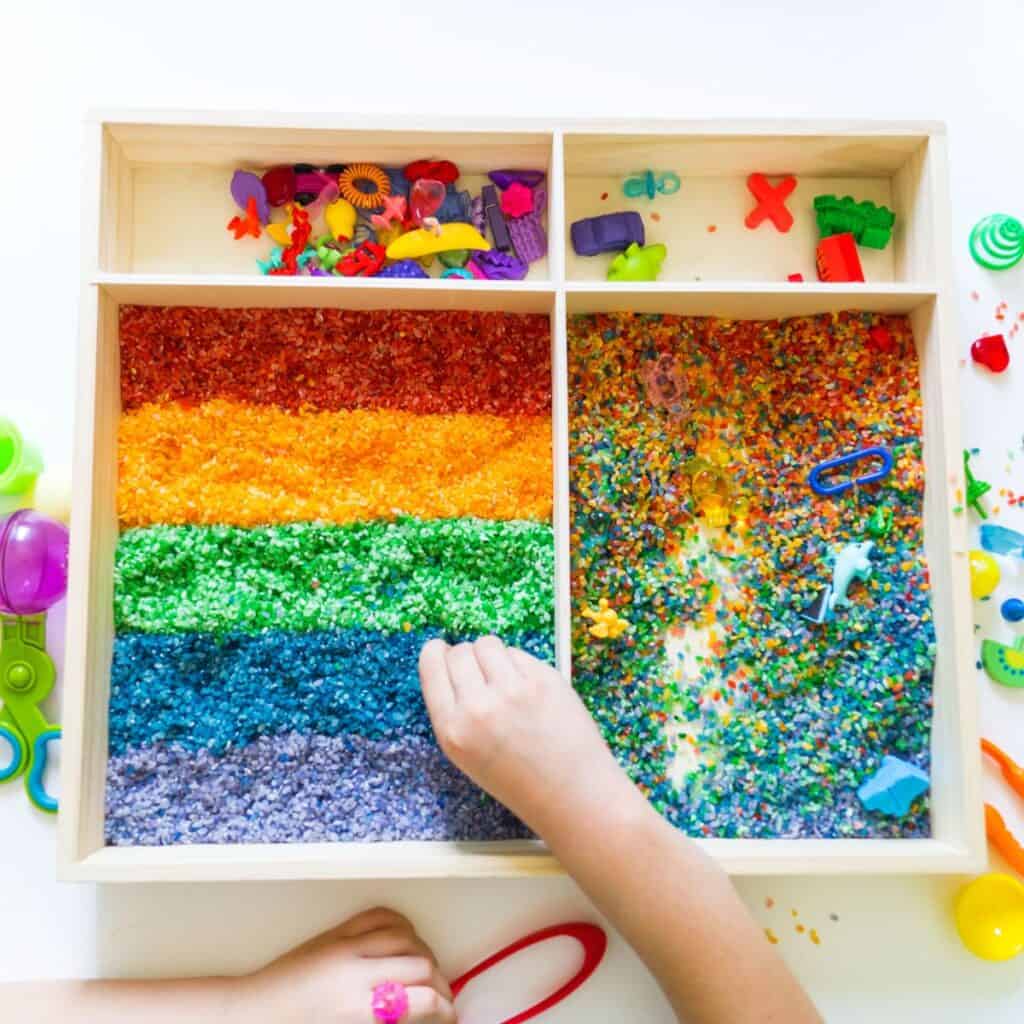
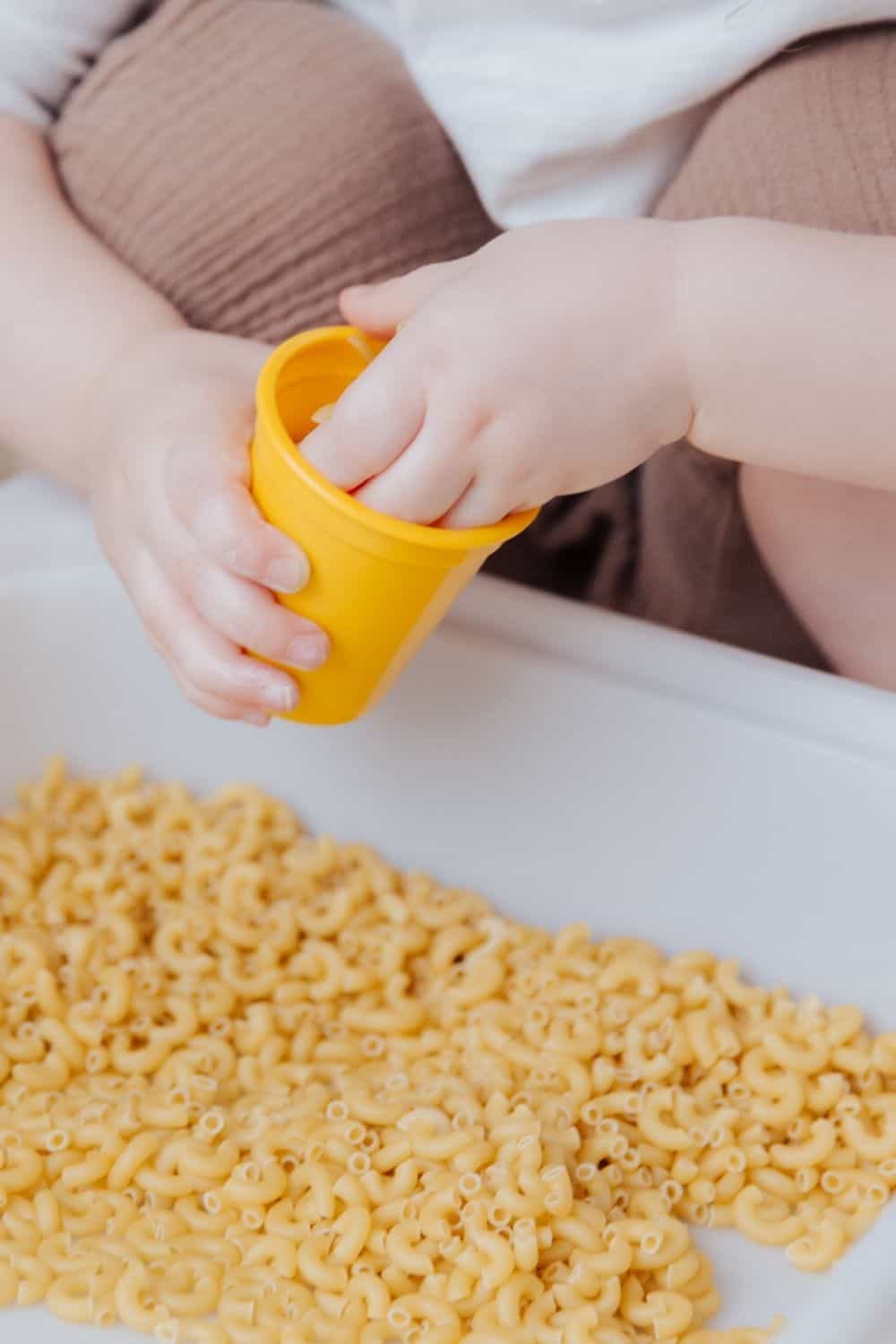
Sensory bins are containers filled with materials like rice, pasta, beans, sand, or water. Kids use tools such as scoops, cups, and toys to explore freely.
Examples include:
- Rice or pasta bins
- Water play bins
- Nature bins with leaves, rocks, and pinecones
Sensory Recipes
Hands-on materials kids can squish, stretch, and mold are sensory favorites.
Examples include:
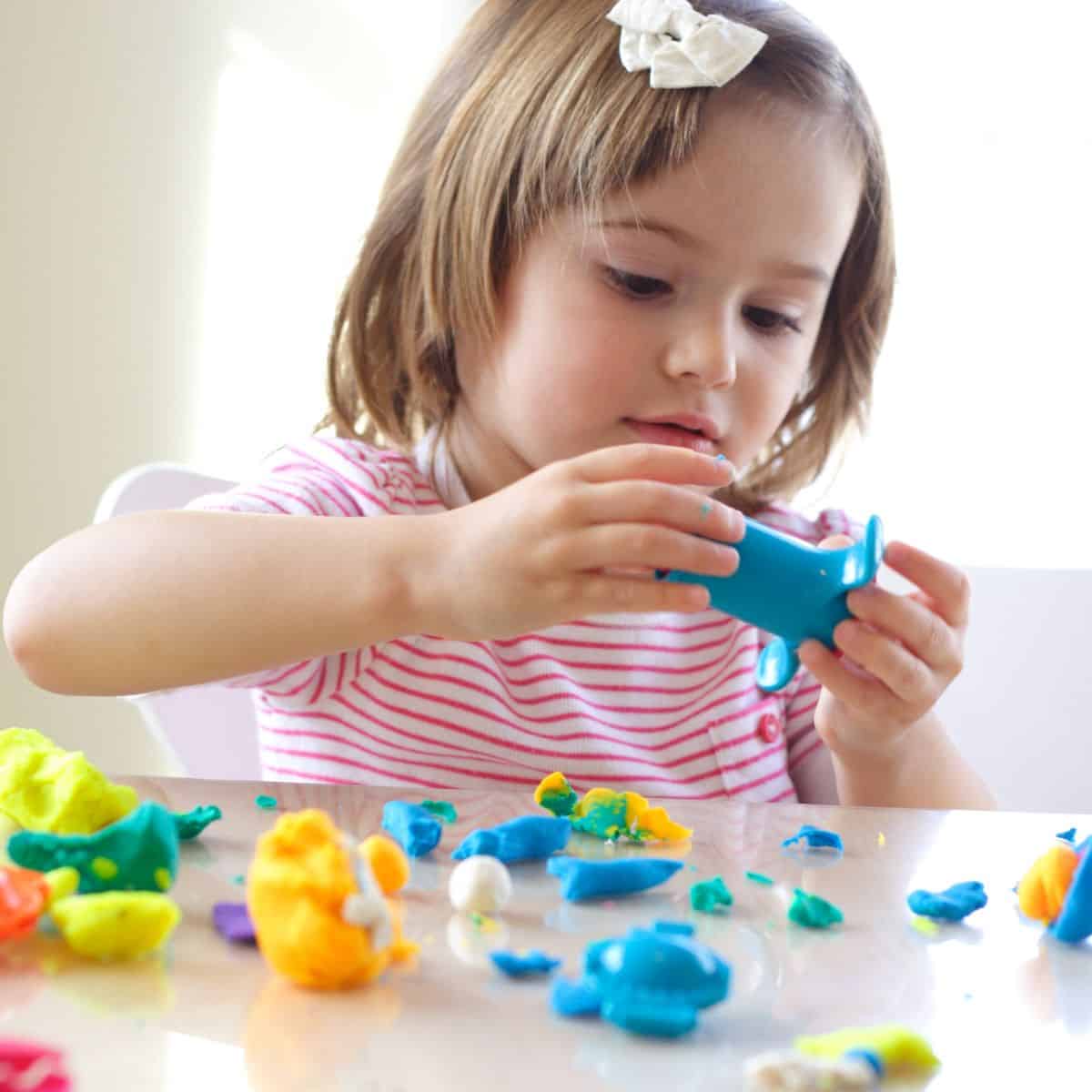
- Play dough
- Slime
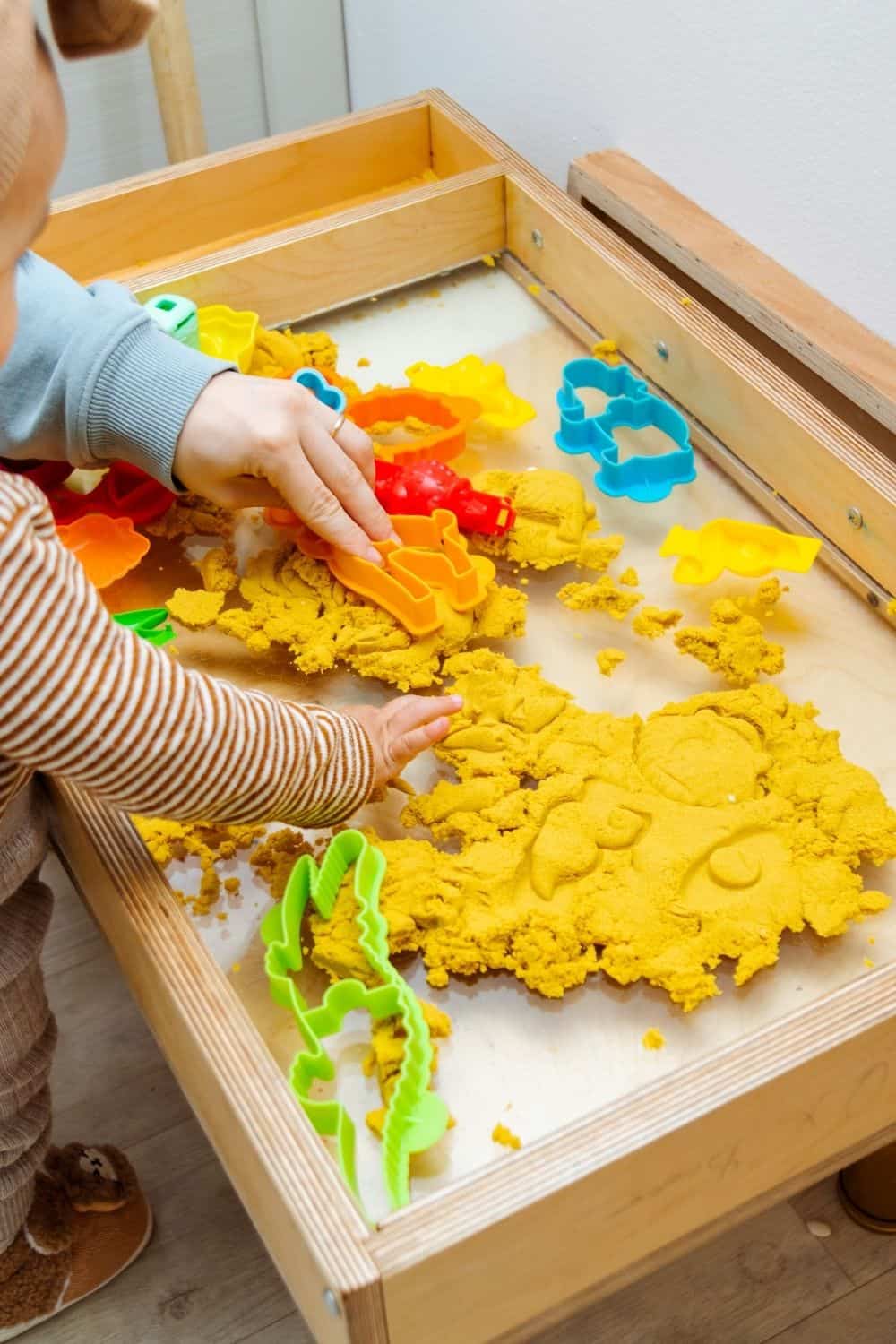
- Cloud dough
- Kinetic sand
Fine Motor Sensory Activities
These activities combine sensory input with skill-building.
Examples include:
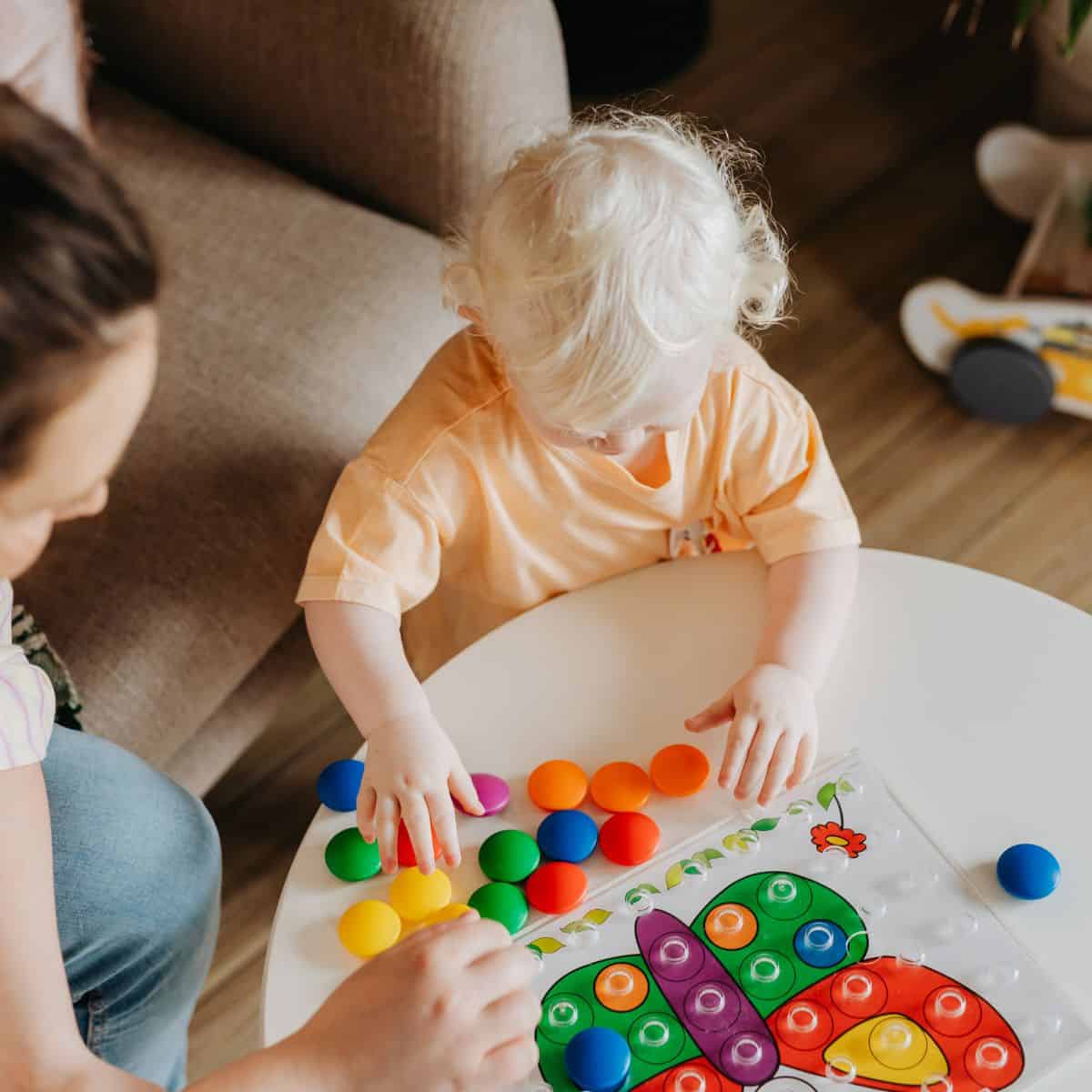
- Sorting small objects
- Using tongs or tweezers
- Tracing letters in sand or rice
Calming Sensory Activities
Sensory play can also be used intentionally to help kids calm down.
Examples include:
- Sensory bottles
- Soft textures like fabric or pom-poms
- Quiet bins with minimal materials
👧What Age Is Sensory Play For?
Sensory play is beneficial for babies, toddlers, preschoolers, and even older kids.
- Babies benefit from simple textures and safe, edible sensory experiences.
- Toddlers enjoy scooping, dumping, and exploring cause and effect.
- Preschoolers use sensory play for creativity, problem-solving, and early learning skills.
- Older kids still benefit from sensory input, especially through slime, art-based sensory play, and calming activities.
Sensory play grows with your child — the materials and challenges just change over time.
Is Sensory Play Messy?
It can be, but it doesn’t have to be.
There are plenty of low-mess and no-mess sensory play ideas, like:
- Dry sensory bins
- Tabletop activities
- Calm-down sensory kits
- Sensory cards and mats
With the right setup and expectations, sensory play can be manageable even in small spaces.
⭐️How Often Should Kids Do Sensory Play?
There’s no strict rule. Even 10–15 minutes a day can make a big difference.
Many families and classrooms use:
- Daily short sensory activities
- A few sensory bins rotated weekly
- Sensory play during transitions or calm-down times
The goal isn’t perfection — it’s consistency and letting kids explore at their own pace.
📌Getting Started With Sensory Play
If you’re new to sensory play, start simple:
- Choose one filler (rice, water, or dough)
- Add a few basic tools (cups, spoons, toys)
- Let your child explore freely without instructions
You don’t need fancy supplies or elaborate setups to see the benefits.
Sensory play is one of the easiest and most effective ways to support learning, creativity, and emotional growth in kids. Whether it’s a rice bin on the kitchen floor or a calming sensory activity after a long day, these experiences help children make sense of the world around them.
As you explore sensory play ideas, remember: simple is enough, mess is manageable, and play really is learning.