Sensory Play Safety Tips for Young Children
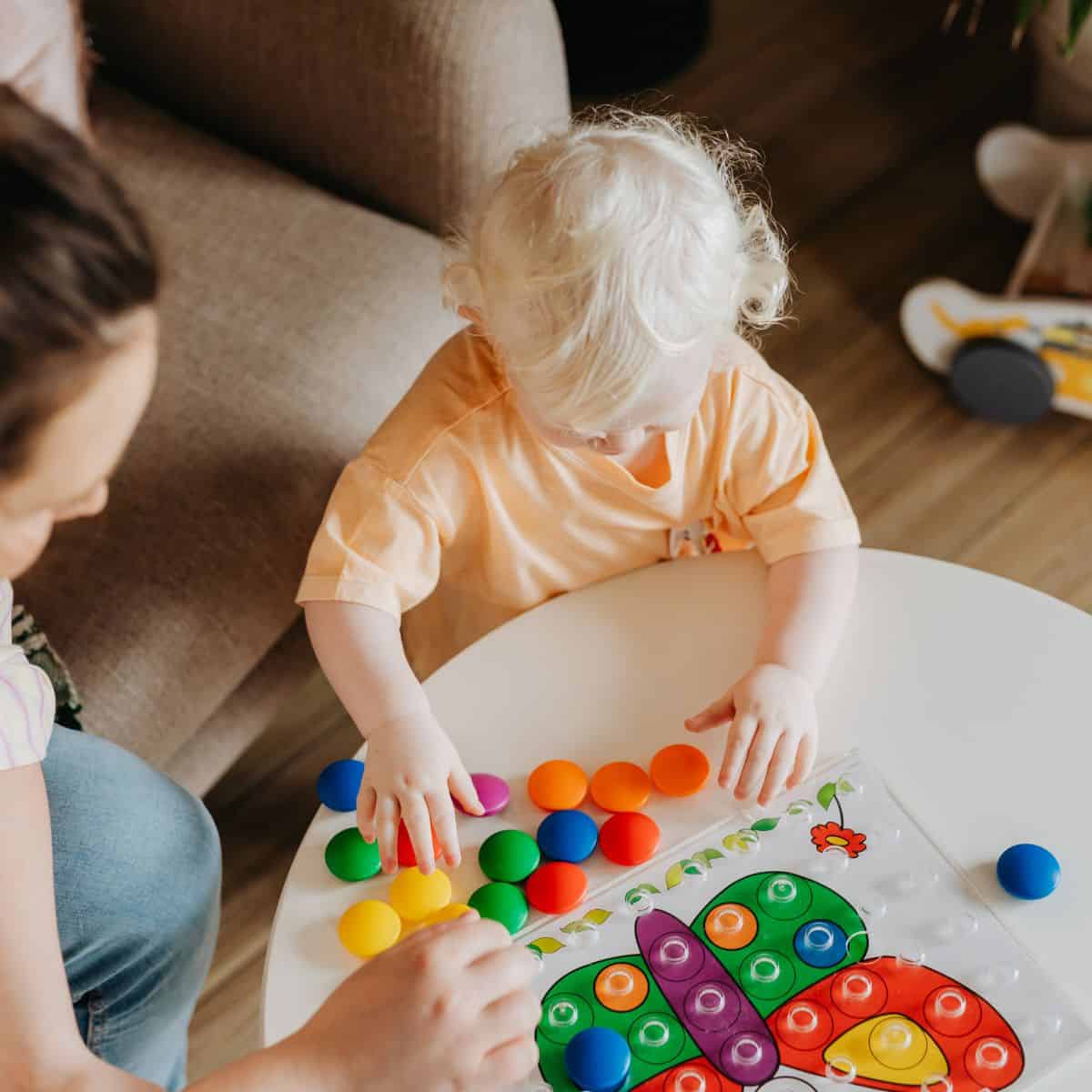
Sensory play is a wonderful way for young children to explore, learn, and regulate their emotions, but safety should always come first. With the right setup and supervision, sensory play can be both fun and safe for toddlers and preschoolers.
This guide covers essential sensory play safety tips for young children, including material choices, supervision guidelines, and age-appropriate precautions to help you feel confident during playtime.
There are affiliate links in this post – please read my full disclosure policy. As an Amazon Associate, I earn from qualifying purchases.
Why Sensory Play Safety Matters
Young children explore with their hands, and often their mouths. Because sensory play involves small objects, textures, and hands-on materials, safety planning is a key part of any activity.
Following basic sensory play safety guidelines helps:
- Reduce choking risks
- Prevent exposure to harmful materials
- Create a positive, stress-free play environment
- Build trust with caregivers, teachers, and parents
General Sensory Play Safety Guidelines
Before setting up any sensory activity, keep these universal safety tips in mind.
Always Supervise Young Children
Sensory play should always be supervised, especially for toddlers. Even familiar materials can become unsafe if used unexpectedly.
According to guidance from the American Academy of Pediatrics, close supervision is essential when children are playing with small or loose items.
Use Age-Appropriate Materials
Choose sensory materials based on a child’s developmental stage, not just their interest level.
- Avoid small objects for toddlers
- Choose larger, easy-to-grasp tools
- Skip hard or sharp materials
- Use soft textures for younger children
If a material fits easily inside a toilet paper roll, it may pose a choking risk for toddlers.
Sensory Play Safety Tips for Toddlers (Ages 1–3)
Toddlers are curious and still developing impulse control, so sensory play for this age group should be simple and closely supervised.
Toddler Sensory Safety Tips
- Use large grains like oats or pasta instead of small beads
- Avoid water beads, marbles, or tiny objects
- Choose taste-safe sensory materials when possible
- Keep activities short and distraction-free
The Centers for Disease Control and Prevention emphasizes choking prevention by avoiding small items that can be swallowed or inhaled.
Sensory Play Safety for Preschoolers (Ages 3–5)
Preschoolers can handle more complex sensory play but still need clear boundaries and expectations.
Preschool Sensory Safety Tips
- Explain rules before starting
- Model how to use tools properly
- Avoid mixing food play with eating
- Teach handwashing after sensory activities
Preschoolers benefit from structured freedom, allowing creativity while maintaining safety.
Choosing Safe and Non-Toxic Materials for Sensory Play
When working with young children, especially toddlers, choose materials labeled non-toxic or taste-safe.
Trusted guidance from the Consumer Product Safety Commission recommends checking labels and avoiding materials not intended for children.
Taste-Safe Sensory Play Options for Young Children
- Cooked pasta or rice
- Plain oats or cereal
- Homemade play dough made with food-grade ingredients
- Yogurt, pudding, or gelatin for edible sensory play
Always discard edible sensory materials after use.
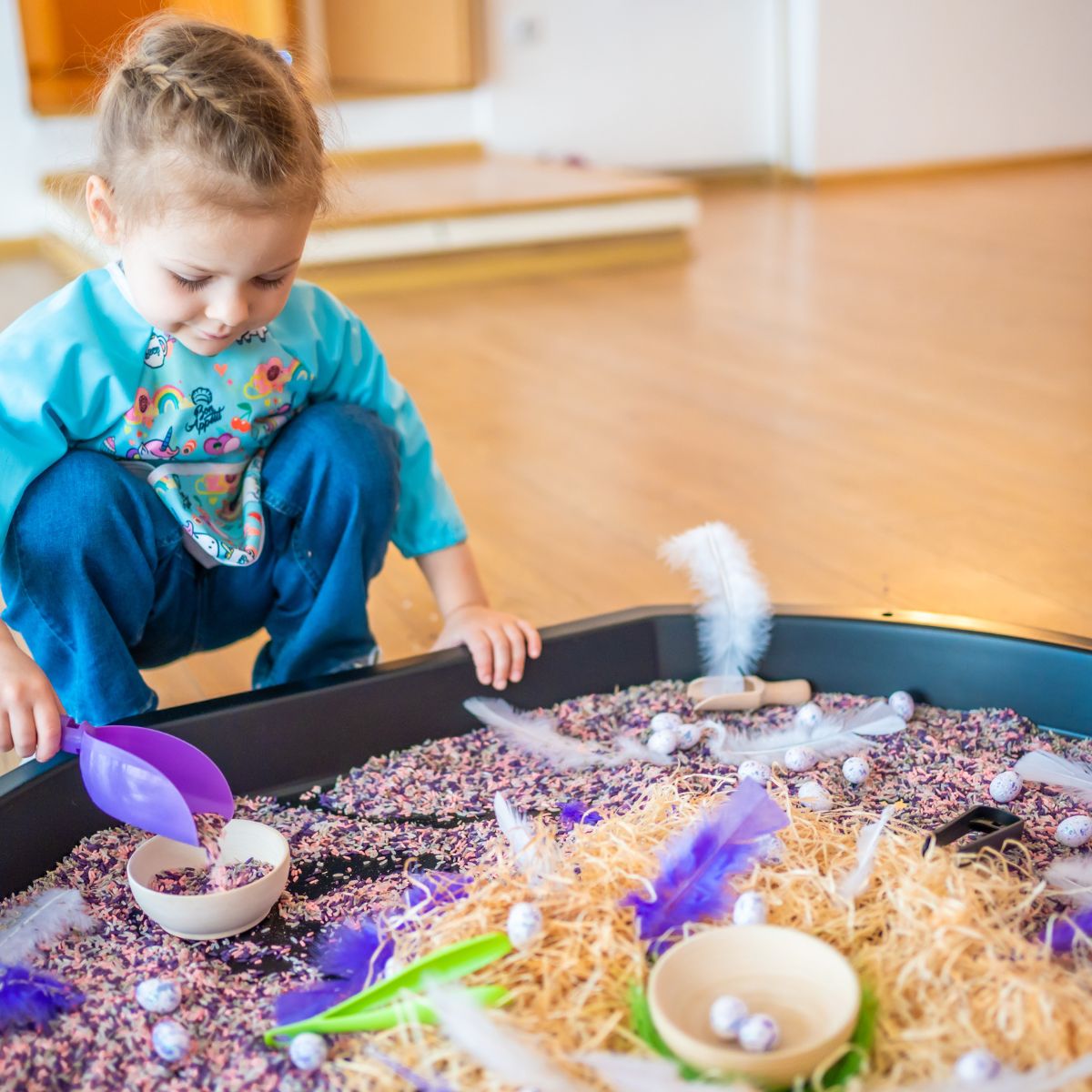
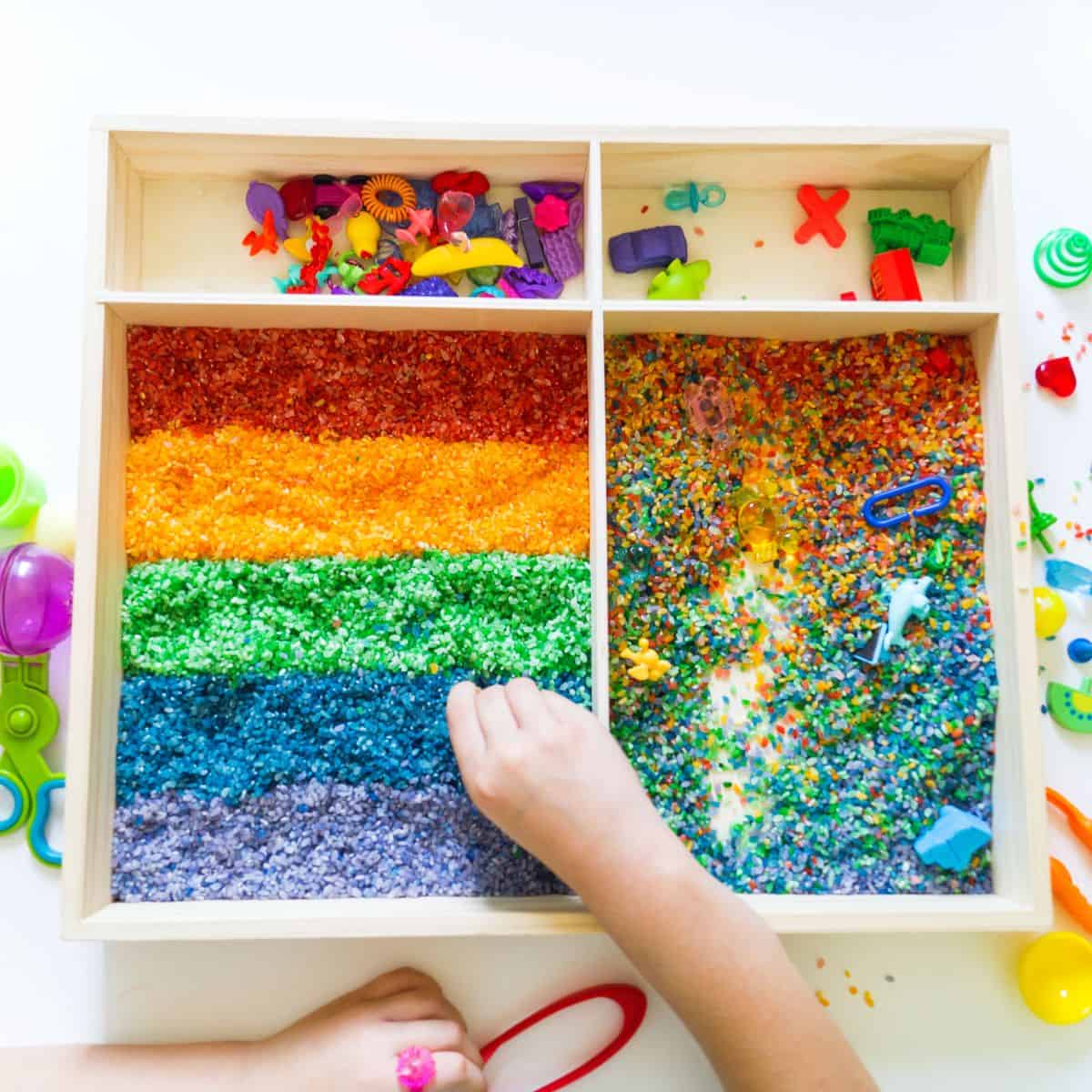
Sensory Bin Safety Tips
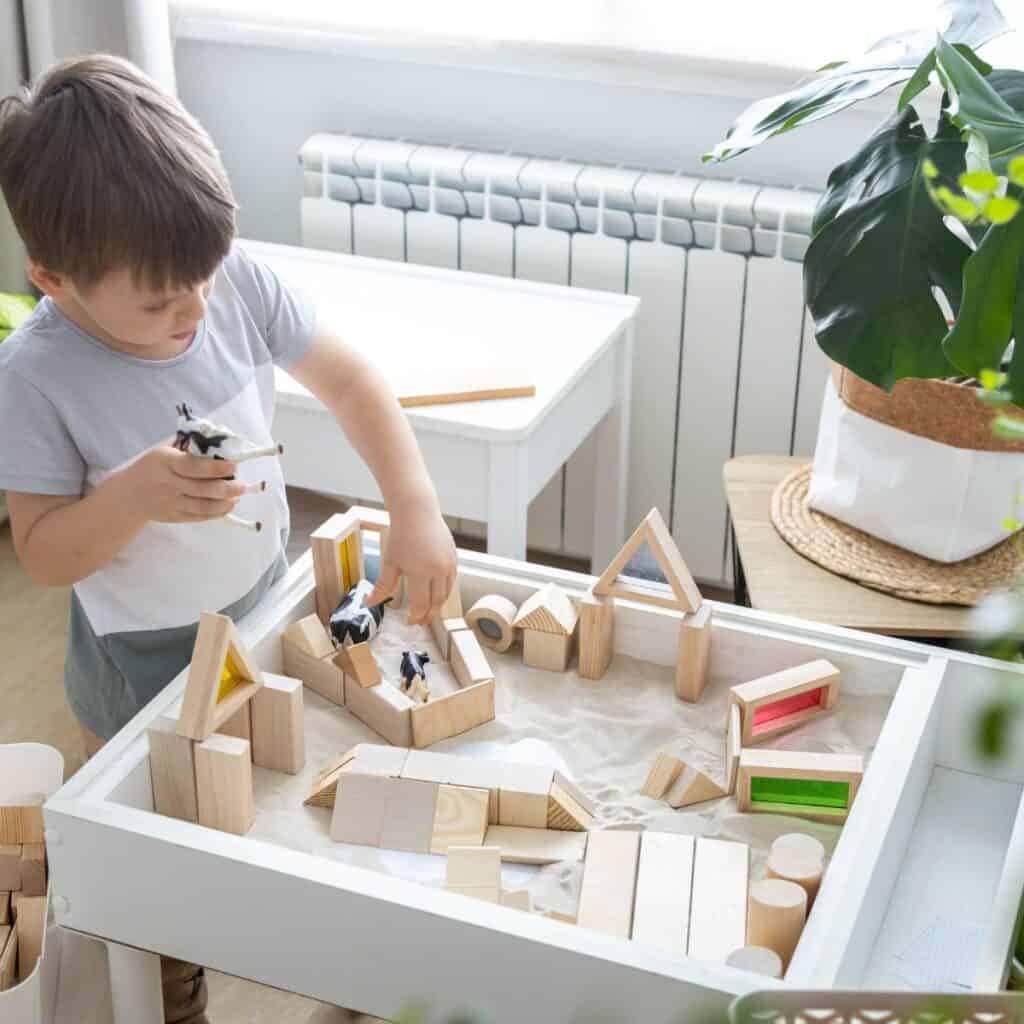
Sensory bins are popular but require thoughtful setup.
Safe Sensory Bin Practices
- Place bins on a stable surface or mat
- Limit the number of materials in one bin
- Use tools sized for little hands
- Avoid overfilling bins
Keep towels or wipes nearby for quick cleanup and hand hygiene.
Hygiene and Clean-Up Tips for Sensory Play Activities
Clean sensory materials reduce the risk of illness and irritation.
According to recommendations from the Centers for Disease Control and Prevention:
- Wash hands before and after sensory play
- Clean bins and tools regularly
- Avoid reusing wet or damp materials
- Store dry fillers in airtight containers
This is especially important in classroom or group settings.
Outdoor Sensory Play Safety Tips
Outdoor sensory play offers fresh air and space, but it comes with additional considerations.
- Check outdoor materials for sharp edges
- Avoid unknown plants or substances
- Apply sunscreen as needed
- Supervise water play closely
Outdoor sensory play should always be adapted to weather and environment.
Signs to Stop or Modify Sensory Play
Pay attention to cues that a child may need a break:
- Frustration or distress
- Putting materials in their mouth repeatedly
- Overstimulation
- Fatigue
Sensory play should feel enjoyable and calming — not overwhelming.
Sensory play is safe and beneficial when thoughtful precautions are in place. By choosing age-appropriate materials, supervising closely, and following basic hygiene practices, you can create sensory experiences that support learning while keeping kids safe.
With a little planning, sensory play becomes a trusted and rewarding part of your child’s routine.