Sensory Play Myths Parents Believe (and What Actually Helps)
Sensory play is often talked about as something complicated, messy, or only meant for classrooms and therapy spaces. Because of that, many parents avoid it or feel like they are doing it wrong.
The truth is that sensory play is simple, flexible, and already happening in many homes. This post breaks down common sensory play myths parents believe and explains what actually helps kids learn and regulate through sensory experiences.
There are affiliate links in this post – please read my full disclosure policy. As an Amazon Associate, I earn from qualifying purchases.
Myth 1: Sensory Play Is Only for Toddlers
Many parents assume sensory play is something kids outgrow once they reach preschool age. While sensory play is especially common for toddlers, it continues to be beneficial well beyond those early years.
What Actually Helps
Preschoolers and even older children still benefit from sensory input. The difference is how sensory play looks as kids grow. A toddler may explore textures freely, while a preschooler may use sensory play for counting, sorting, creativity, or calming down.
Sensory play grows with the child rather than ending at a certain age. According to CDC guidance on physical activity and play for children, play based activities continue to support physical, cognitive, and emotional development well beyond the toddler years.
Myth 2: Sensory Play Has to Be Messy
One of the biggest reasons parents avoid sensory play is the fear of mess. Many people picture rice all over the floor or slime stuck to furniture.
What Actually Helps
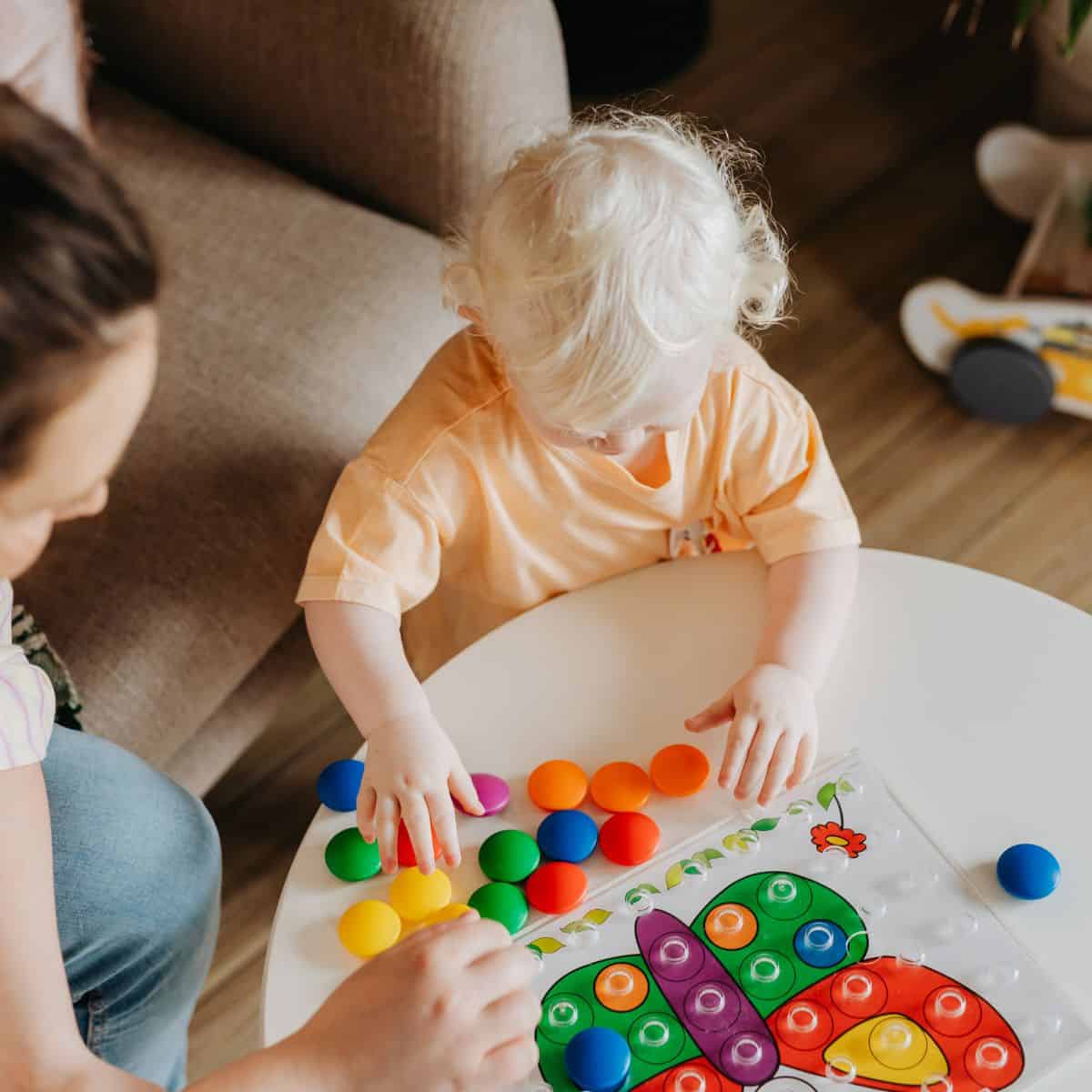
Not all sensory play is messy. Dry sensory bins, sensory mats, calm down activities, and tabletop play can all provide sensory input with minimal cleanup. Setting clear boundaries, using trays or mats, and choosing contained materials makes sensory play manageable in small spaces.
The CDC on tastes and textures explains how varied sensory experiences with food and touch help infants develop fine motor skills and sensory awareness without messy play, showing that sensory benefits can come from simple everyday activities.
Myth 3: You Need Special Supplies for Sensory Play
It is easy to think sensory play requires expensive tools, special bins, or themed kits.
What Actually Helps
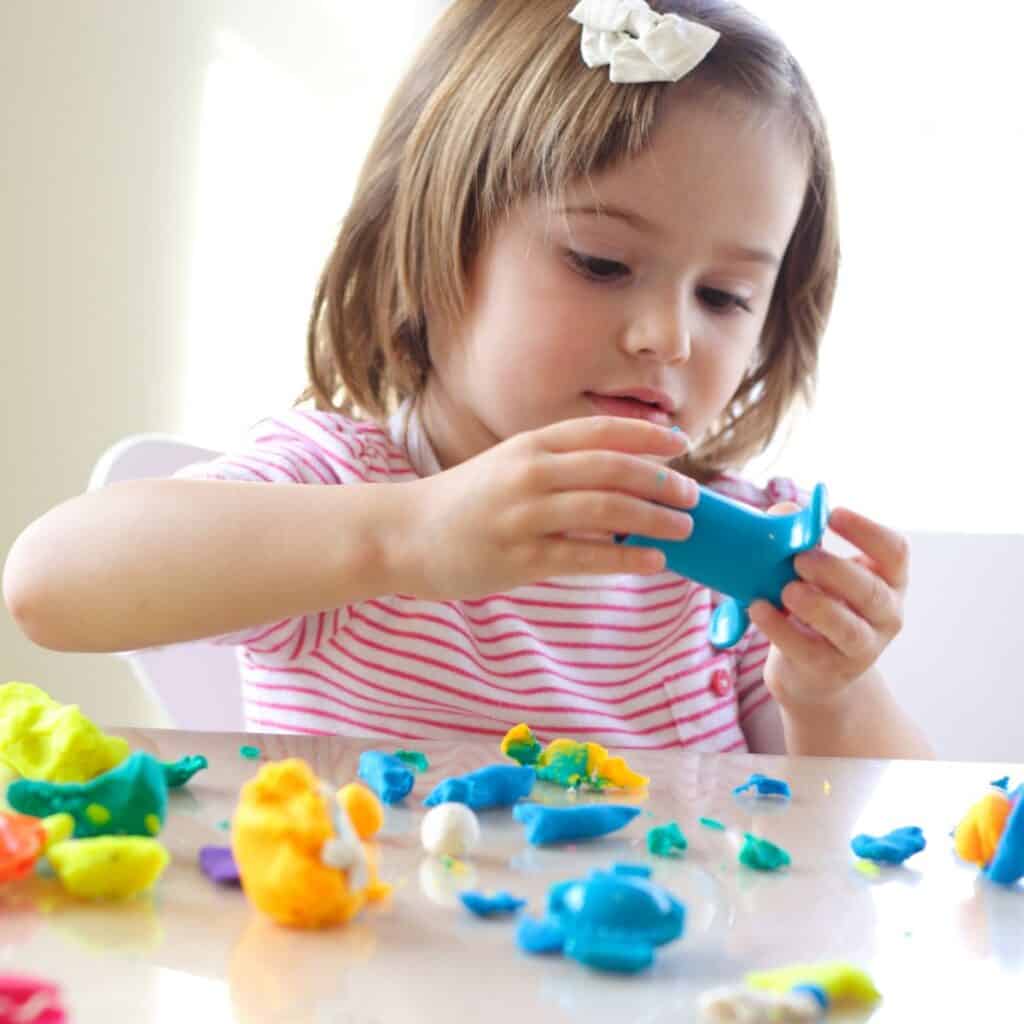
Many of the best sensory materials are already at home. Cups, spoons, rice, water, play dough, fabric scraps, and natural items like leaves or rocks all work well. Sensory play is about interaction and exploration, not fancy supplies.
Simple materials used creatively are often more engaging than complex setups. The Cleveland Clinic on sensory play benefits notes that simple, everyday sensory experiences are often just as effective as structured or store bought activities.
Myth 4: Sensory Play Is Just for Kids With Special Needs
Sensory play is sometimes associated only with occupational therapy or children with sensory processing challenges. While sensory play is incredibly helpful in those settings, it is not limited to them.
What Actually Helps
All children benefit from sensory experiences. Sensory play supports brain development, motor skills, emotional regulation, and focus for kids of all abilities. Sensory input helps children understand their environment and their own bodies.
The American Academy of Pediatrics on the power of play emphasizes that play supports healthy development for all children, not only those with specific developmental challenges.
Myth 5: Sensory Play Must Be Structured to Be Educational
Some parents worry that sensory play is only valuable if it includes learning goals, instructions, or outcomes.
What Actually Helps
Open ended sensory play allows children to explore freely and learn through experience. While prompts and learning goals can be added for preschoolers, unstructured play often leads to deeper engagement, creativity, and problem solving.
The CDC’s child development resource outlines how a variety of experiences, including play and exploration, help children learn fundamental skills like motor coordination and problem solving, and shows that learning happens naturally during play.
Myth 6: Sensory Play Takes Too Much Time
Busy schedules can make sensory play feel like one more thing to fit into the day.
What Actually Helps
Sensory play does not need long sessions. Even short moments count. Pouring water, squeezing dough, walking barefoot outside, or helping in the kitchen all provide sensory input.
Sensory play works best when it fits naturally into everyday routines.
Myth 7: Kids Will Get Bored With Sensory Play Quickly
Some parents try sensory play once and assume it does not work when their child loses interest.
What Actually Helps
Children often return to sensory activities repeatedly because repetition helps them learn and regulate. Rotating materials, changing tools, or introducing new themes can keep activities fresh without starting from scratch.
Interest may come and go, and that is completely normal.
What Sensory Play Really Needs to Be Effective
Instead of focusing on myths, sensory play works best when it includes:
- Age appropriate materials
- Opportunities for free exploration
- Simple setups
- Consistent exposure over time
- A relaxed environment without pressure
When sensory play feels enjoyable and natural, children get the most benefit.
Sensory play does not need to be perfect, messy, or complicated to be effective. Many of the myths surrounding sensory play come from misunderstandings about what it is supposed to look like.
By keeping sensory play simple and flexible, parents can support learning, creativity, and emotional regulation in a way that fits their home and lifestyle.
Sensory play is not about doing more. It is about letting kids explore the world in ways that feel meaningful to them.