Sensory Play Benefits by Age: Toddlers vs. Preschoolers
Sensory play benefits kids at every stage, but how it helps changes as children grow. What a toddler gains from scooping rice or squeezing dough looks different from what a preschooler learns during a themed sensory bin or slime activity.
There are affiliate links in this post – please read my full disclosure policy. As an Amazon Associate, I earn from qualifying purchases.
Understanding the sensory play benefits by age helps you choose activities that match your child’s development and get the most value out of sensory play time.
This guide breaks down the key benefits of sensory play for toddlers vs preschoolers, with simple examples for each stage.
💫Why Sensory Play Benefits Change With Age
Sensory play supports brain development, motor skills, language, and emotional regulation. As kids grow, their abilities, attention span, and learning goals change, so sensory activities naturally evolve too.
- Toddlers are learning basic cause and effect, coordination, and sensory awareness
- Preschoolers are using sensory play to build early academic skills, independence, and emotional control
The same materials can often be used for both ages, but the expectations and outcomes are different.
👧Sensory Play Benefits for Toddlers (Ages 1–3)
Sensory play for toddlers focuses on exploration and repetition. Toddlers learn through doing the same actions again and again.
Key Benefits of Sensory Play for Toddlers
Builds Early Brain Connections
Sensory experiences help toddlers make sense of their environment. Touching, pouring, and listening to sounds strengthens neural pathways and supports early learning.
Develops Fine and Gross Motor Skills
Scooping, dumping, squeezing, and stacking help toddlers strengthen hand muscles and improve coordination.
Supports Language Development
Toddlers hear and practice new words during sensory play, especially when adults describe textures, actions, and colors.
Encourages Emotional Regulation
Repetitive sensory actions can help toddlers calm down, especially during transitions or overstimulation.
Best Sensory Play Activities for Toddlers
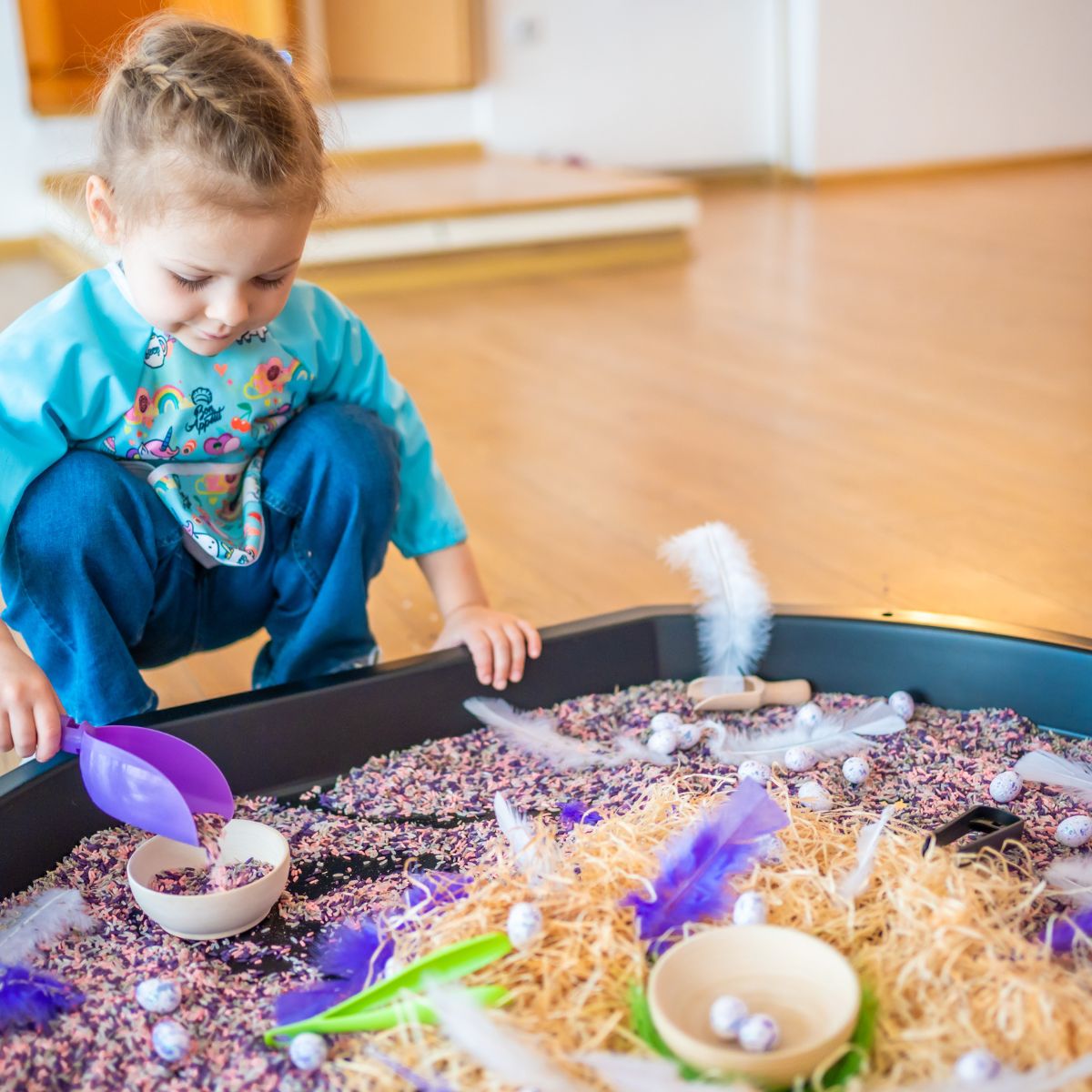
- Dry sensory bins with large grains
- Water play with cups and spoons
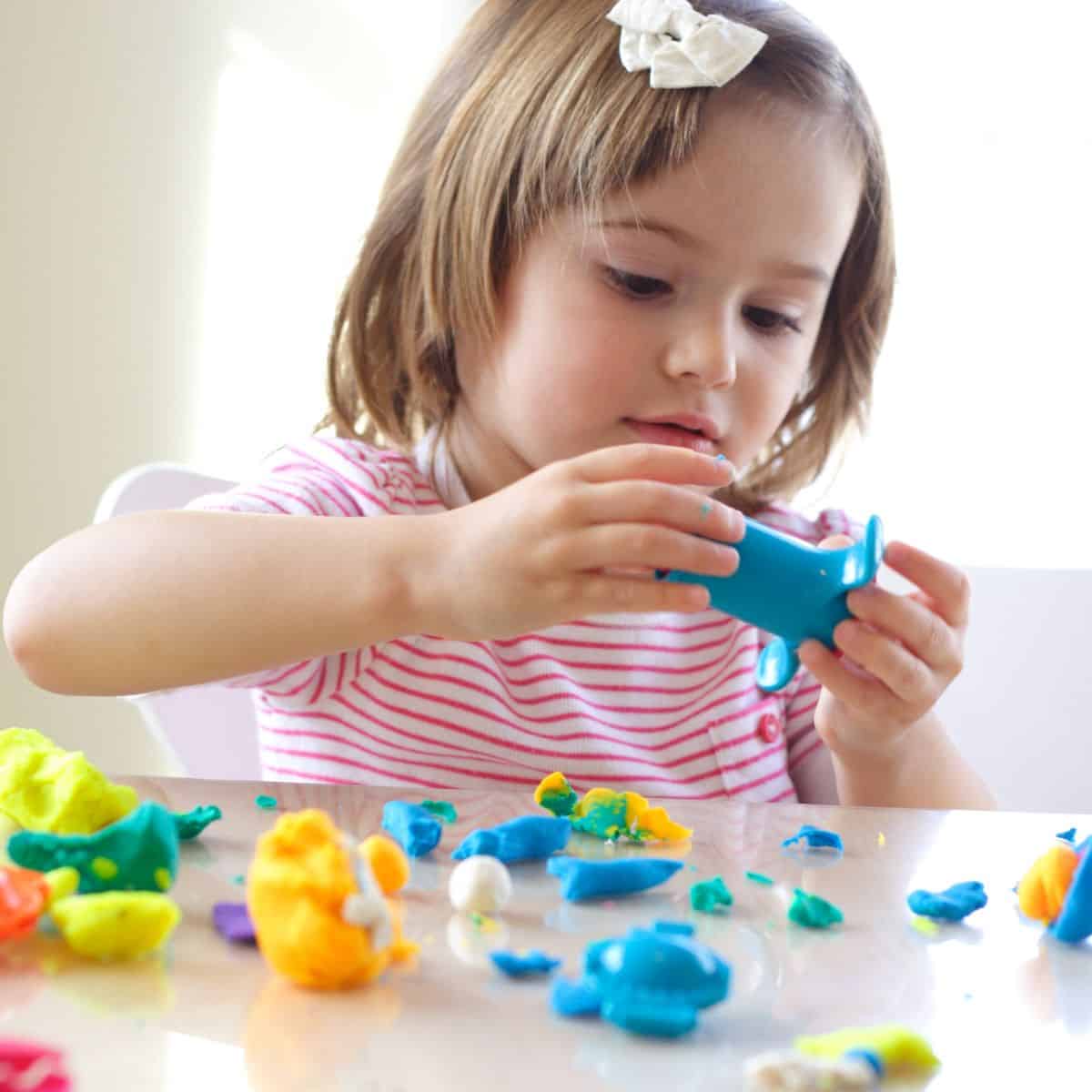
- Taste-safe play dough
- Sensory bottles
- Simple texture exploration mats
Sensory Play Benefits for Preschoolers (Ages 3–5)
Preschoolers use sensory play in more intentional ways. They’re ready to follow simple prompts, explore themes, and connect sensory activities to early learning concepts.
Key Benefits of Sensory Play for Preschoolers
Supports Early Learning Skills
Sensory play for preschoolers reinforces letters, numbers, shapes, and patterns through hands-on exploration.
Strengthens Fine Motor Control
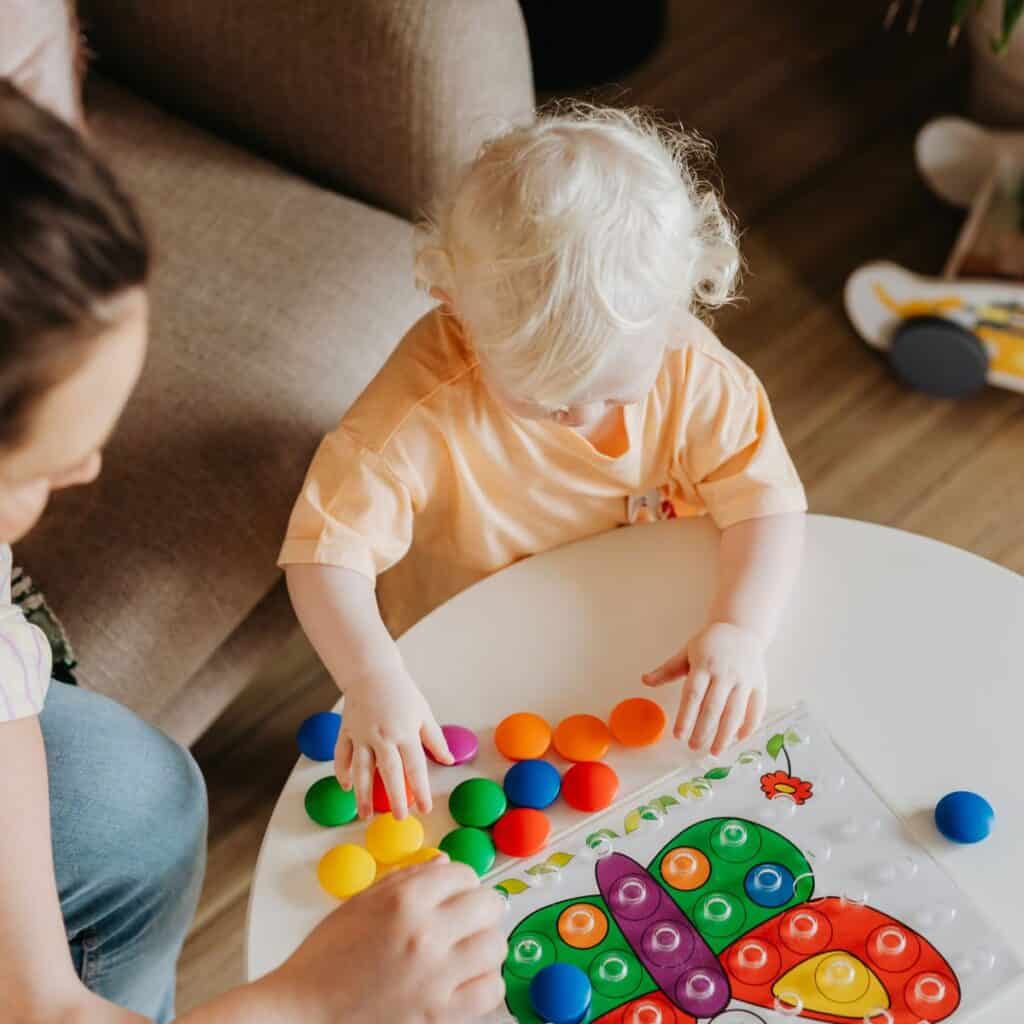
Activities like pinching dough, using tongs, and transferring small objects prepare preschoolers for writing and cutting.
Encourages Problem-Solving and Creativity
Open-ended sensory play allows preschoolers to plan, experiment, and create independently.
Helps With Emotional Regulation and Focus
Calming sensory activities can help preschoolers manage frustration, anxiety, and big emotions.
Best Sensory Play Activities for Preschoolers
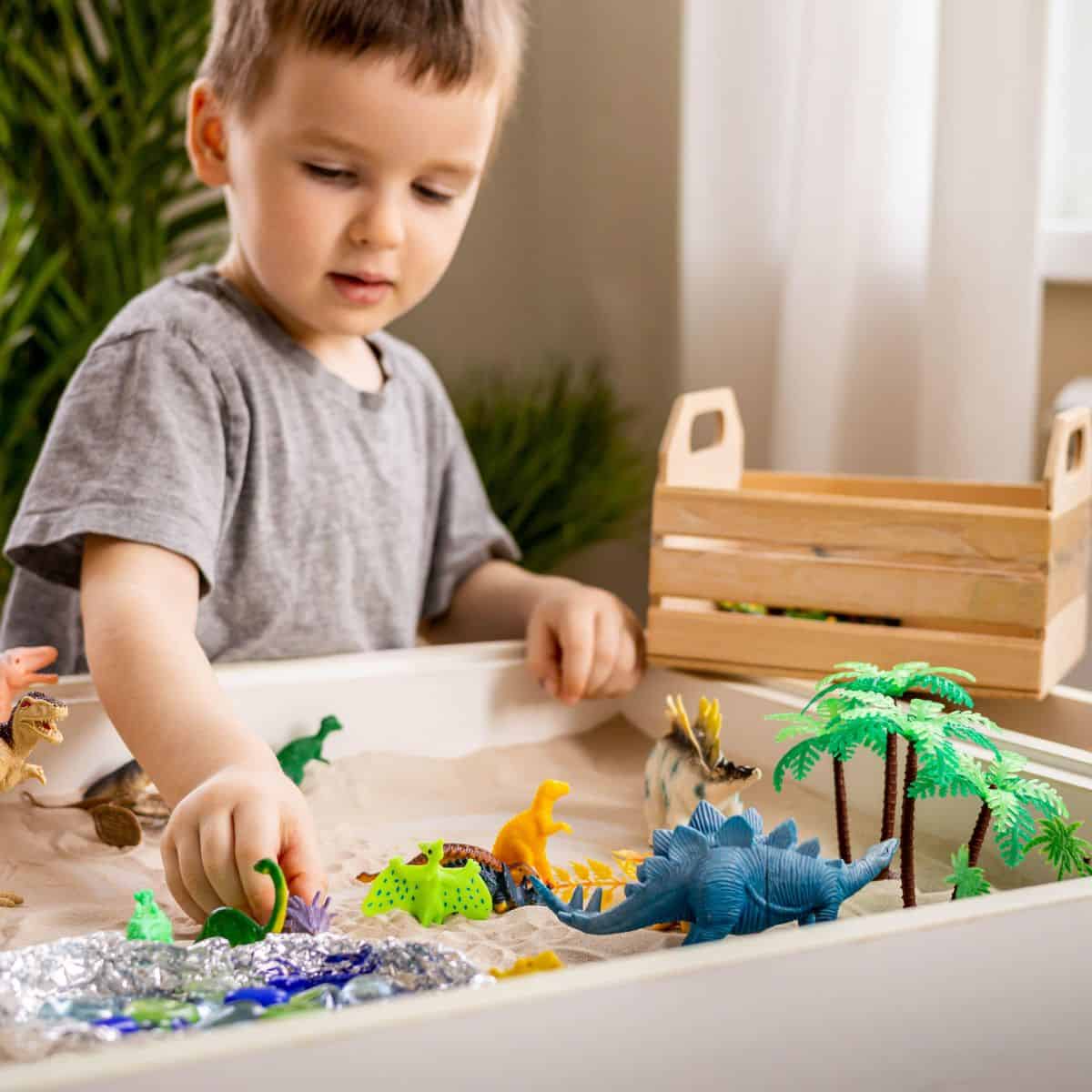
- Themed sensory bins
- Play dough and slime recipes
- Alphabet and number sensory mats
- Sorting and matching games
- Calm-down sensory tools
📌Toddlers vs Preschoolers: How Sensory Play Benefits Each Age
While both toddlers and preschoolers benefit from sensory play, the way they engage with activities and what they gain from them is different.
How Sensory Play Benefits Toddlers
For toddlers, sensory play is all about exploration. They learn through touching, dumping, scooping, and repeating the same actions over and over again.
Sensory play for toddlers helps by:
- Supporting early brain development through repeated sensory input
- Building basic fine and gross motor skills
- Introducing new words through simple, descriptive language
- Helping with self-soothing and emotional regulation
Toddlers usually have shorter attention spans, so sensory play sessions are often brief and focused on the experience itself rather than an outcome.
How Sensory Play Benefits Preschoolers
Preschoolers use sensory play in more intentional and imaginative ways. They’re ready to follow simple prompts, explore themes, and connect sensory activities to learning concepts.
Sensory play for preschoolers helps by:
- Reinforcing early academic skills like counting, sorting, and letter recognition
- Refining fine motor control needed for writing and cutting
- Encouraging problem-solving and creative thinking
- Supporting emotional regulation and sustained focus
Preschoolers typically engage in sensory play for longer periods and enjoy activities that offer choices, challenges, or goals.
The Key Difference Between Toddlers and Preschoolers
The biggest difference between toddlers and preschoolers is how they interact with sensory play, not the materials themselves.
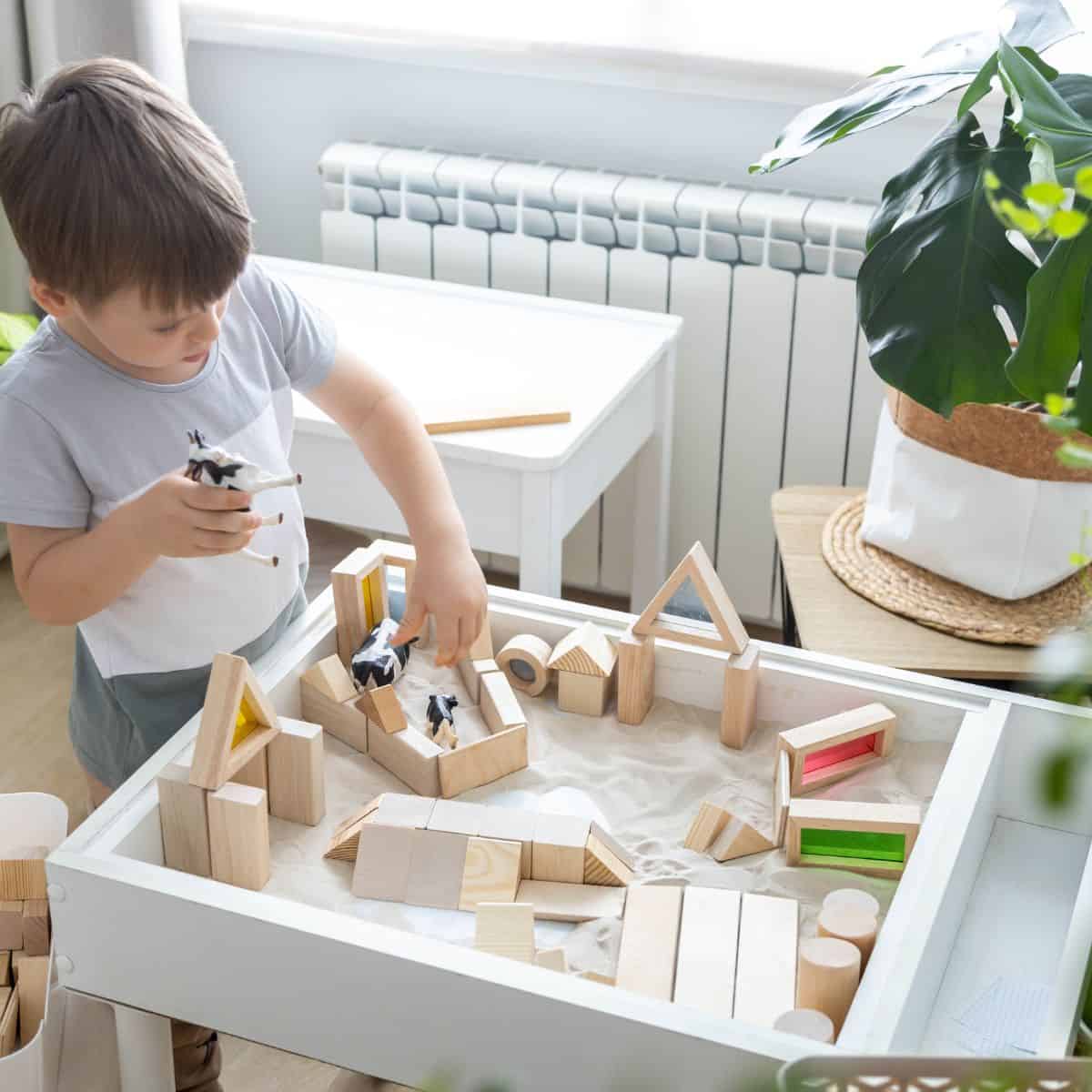
A single sensory bin can meet both age groups’ needs:
- Toddlers may scoop, pour, and explore freely
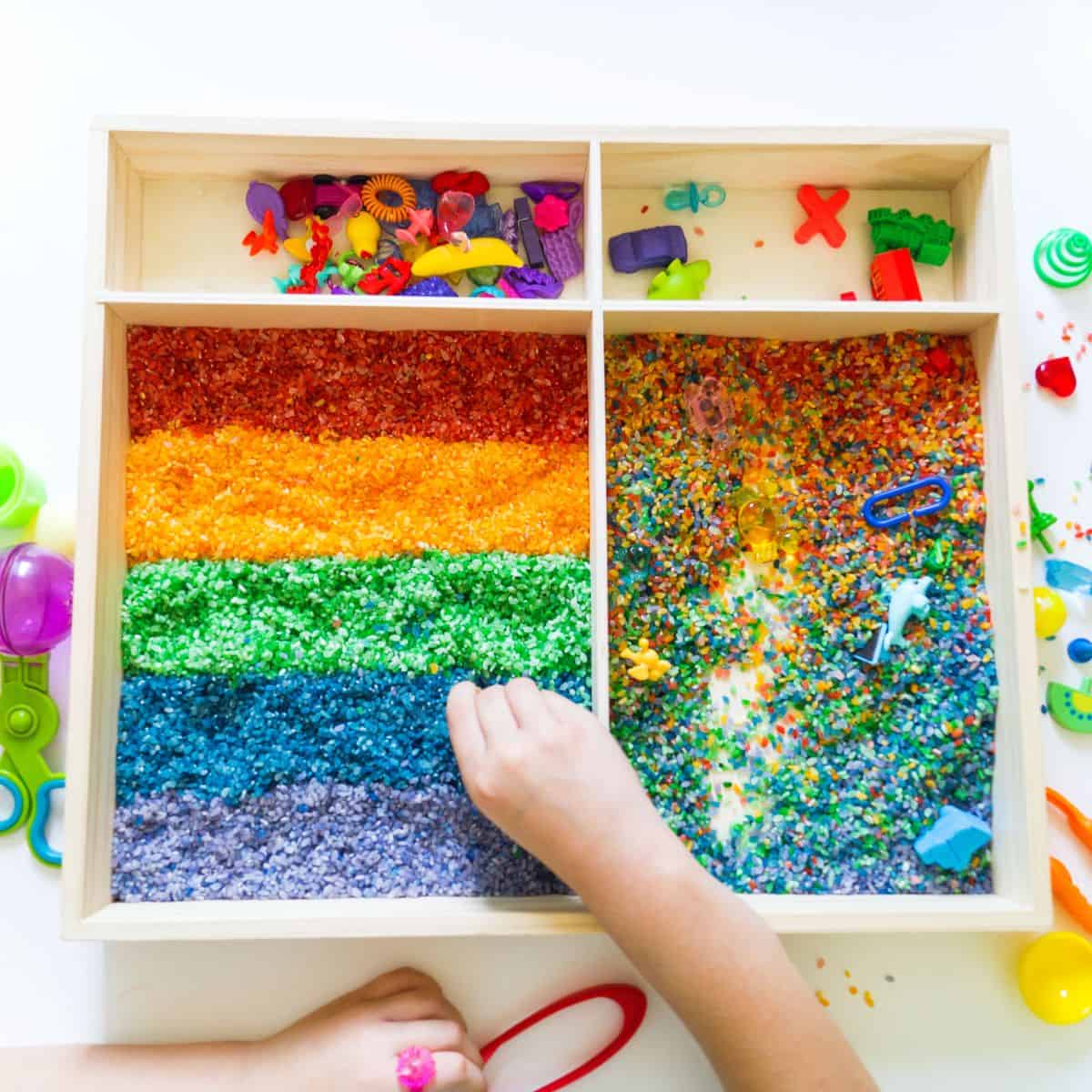
- Preschoolers may sort, count, or create patterns
By adjusting expectations and prompts, sensory play naturally grows with your child.
💡How to Choose the Right Sensory Play Activity by Age
When selecting sensory play ideas:
- Keep toddler activities simple and supervised
- Offer preschoolers more choices and challenges
- Use the same materials in age-appropriate ways
- Adjust expectations, not supplies
For example, a rice bin might be pure exploration for a toddler and a counting or sorting activity for a preschooler.
💫Can Toddlers and Preschoolers Play Together?
Yes, mixed-age sensory play works well when activities are flexible.
Tips for mixed-age sensory play:
- Choose large, safe materials
- Let toddlers explore freely
- Offer preschoolers prompts or challenges
- Supervise closely and set clear boundaries
Sensory play naturally adapts to each child’s level.
Sensory play benefits toddlers and preschoolers in different but equally important ways. For toddlers, it builds awareness, coordination, and early communication. For preschoolers, it supports learning, creativity, and emotional growth.
By choosing age-appropriate sensory activities, you help kids get the most out of play — without making things complicated.