How Often Should Kids Do Sensory Play?
Sensory play is one of the most effective ways to support early development, but many parents and teachers wonder how often it should happen. Is sensory play something kids need every day, or is it okay to do it a few times a week?
There are affiliate links in this post – please read my full disclosure policy. As an Amazon Associate, I earn from qualifying purchases.

The short answer is that sensory play does not need a strict schedule. Instead of focusing on minutes or sessions, experts recommend looking at how sensory experiences fit naturally into a child’s daily routine.
This guide explains how often kids can benefit from sensory play at different ages and how to include it without adding pressure or extra planning.
Sensory Play Is Part of Everyday Learning
Sensory play does not have to be a formal activity that is planned and timed. Many sensory experiences already happen during a child’s normal day.
According to the American Academy of Pediatrics, play is essential for healthy brain development and helps children build emotional, cognitive, and social skills. Pediatricians emphasize that play based learning should be encouraged throughout the day rather than treated as a separate task.
Simple moments like listening to music, feeling different textures, pouring water, or exploring outdoors all count as sensory play.
There Is No Set Rule for How Often Kids Need Sensory Play
There is no official guideline that says children must do sensory play for a specific number of minutes each day. Most experts focus on frequency and variety, not time limits.
The Cleveland Clinic explains that sensory play happens naturally when children interact with their environment. The goal is to provide regular opportunities for sensory input rather than scheduling long or complicated activities.
How Often Sensory Play Fits at Different Ages
Sensory Play for Infants
Infants experience sensory input constantly as they learn about the world.
Common sensory experiences include:
- Tummy time on different surfaces
- Listening to voices and music
- Touching soft or textured toys
At this stage, sensory play happens many times throughout the day in short moments. There is no need to set aside a separate play session.
Sensory Play for Toddlers
Toddlers benefit from sensory play opportunities every day. These do not need to be elaborate.
Daily toddler sensory play might include:
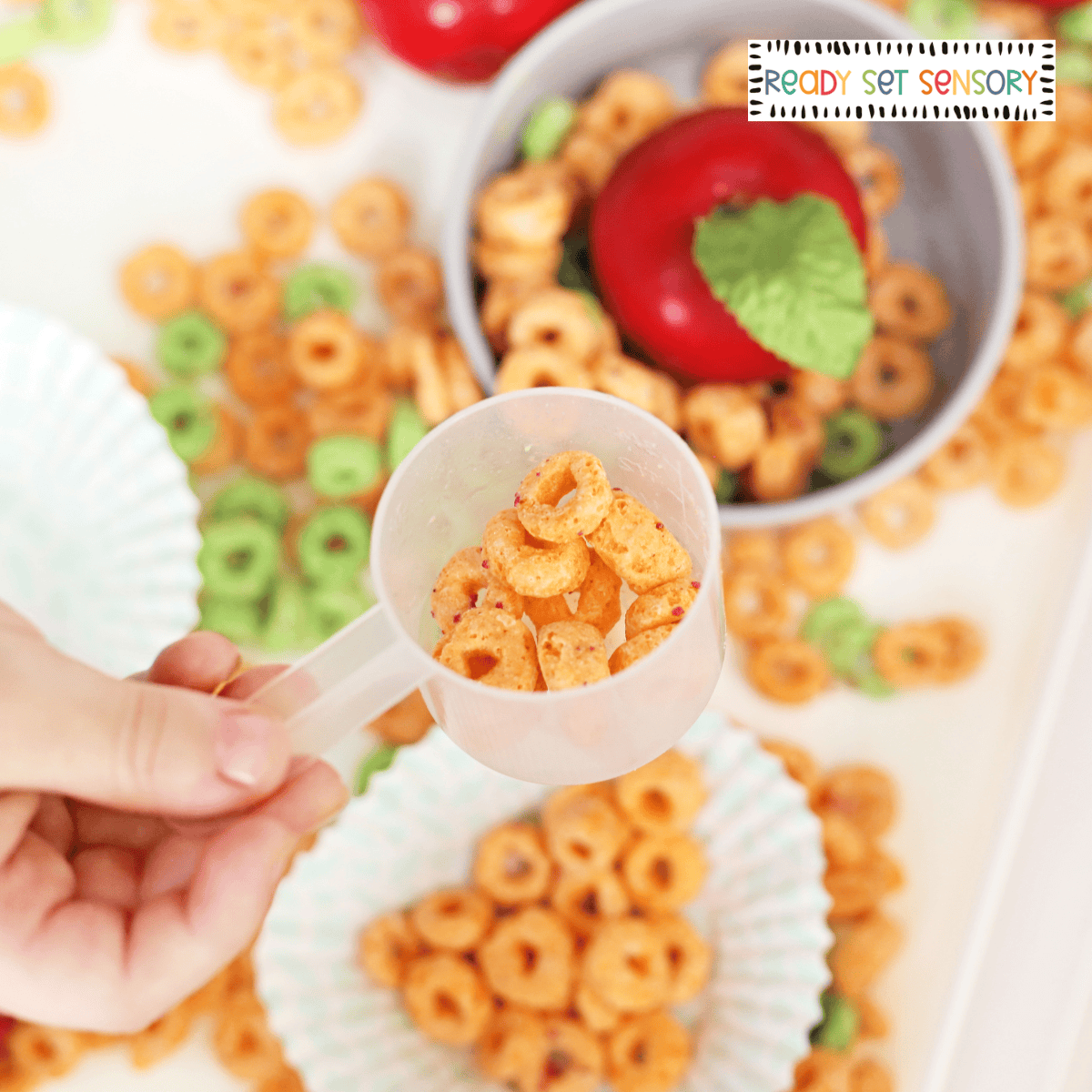
- Quick sensory bins with rice, pasta, or oats
- Water play during bath time
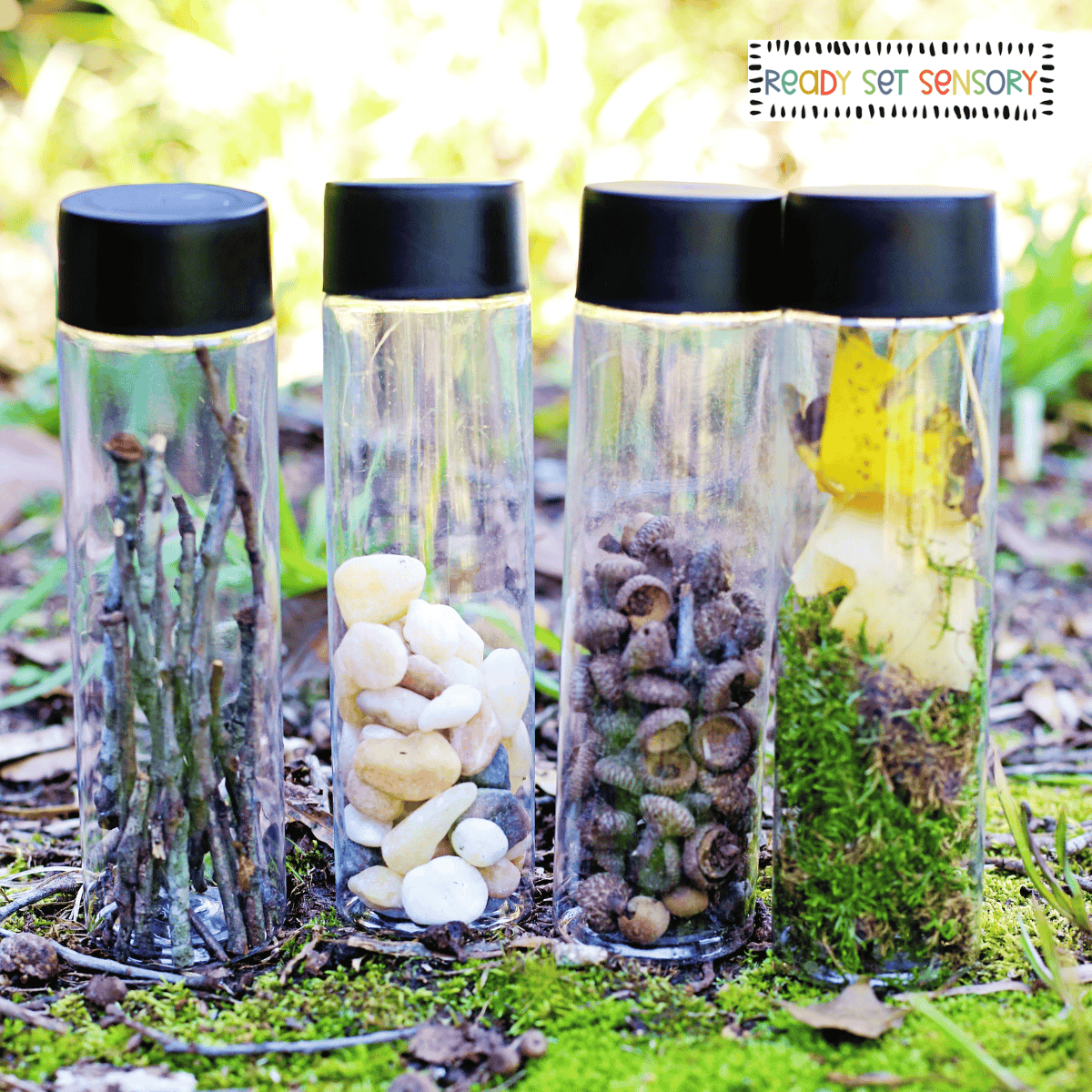
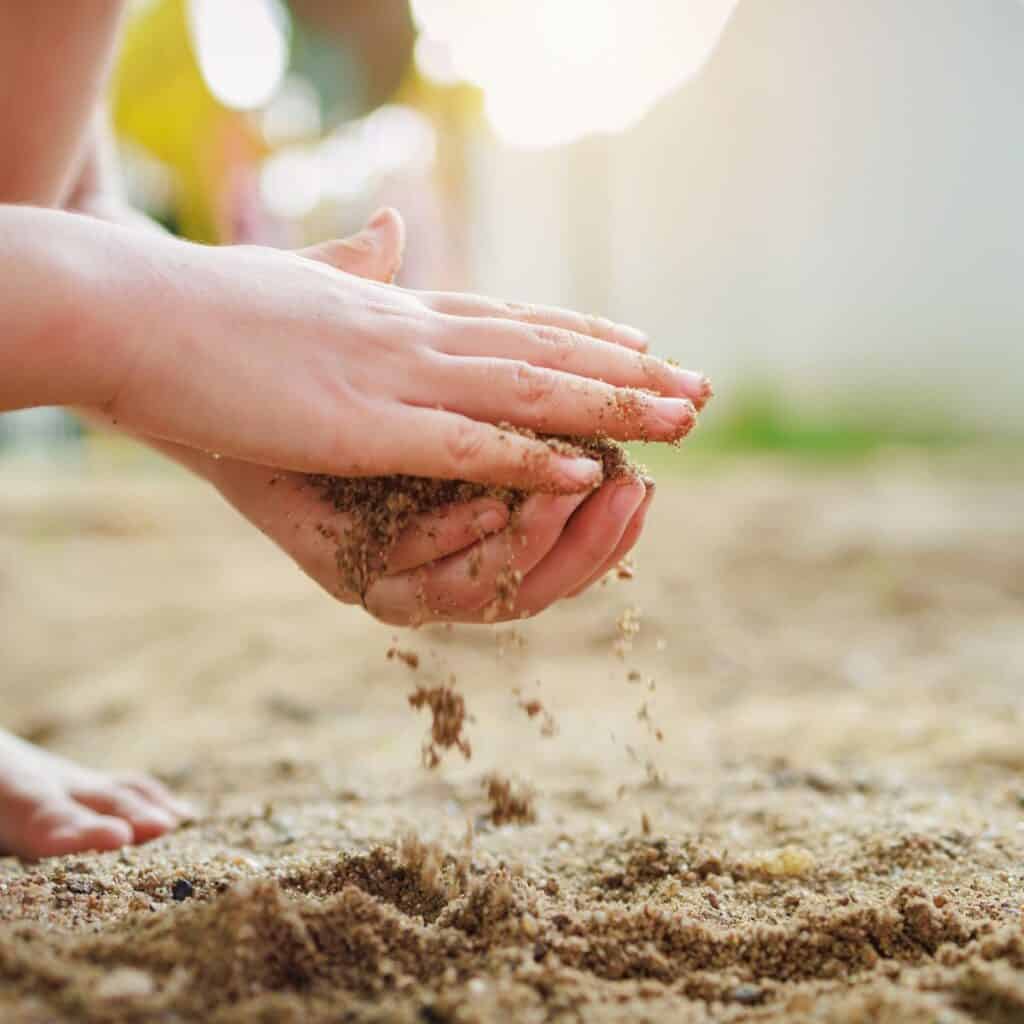
- Outdoor exploration with dirt, leaves, or sand
Short activities repeated regularly are more effective than long sessions done occasionally.
Sensory Play for Preschoolers
Preschoolers can engage in longer and more structured sensory activities, but daily play is still not required.
Preschool sensory play works well when offered:
- A few times per week
- As part of learning activities
- During calm down or transition times
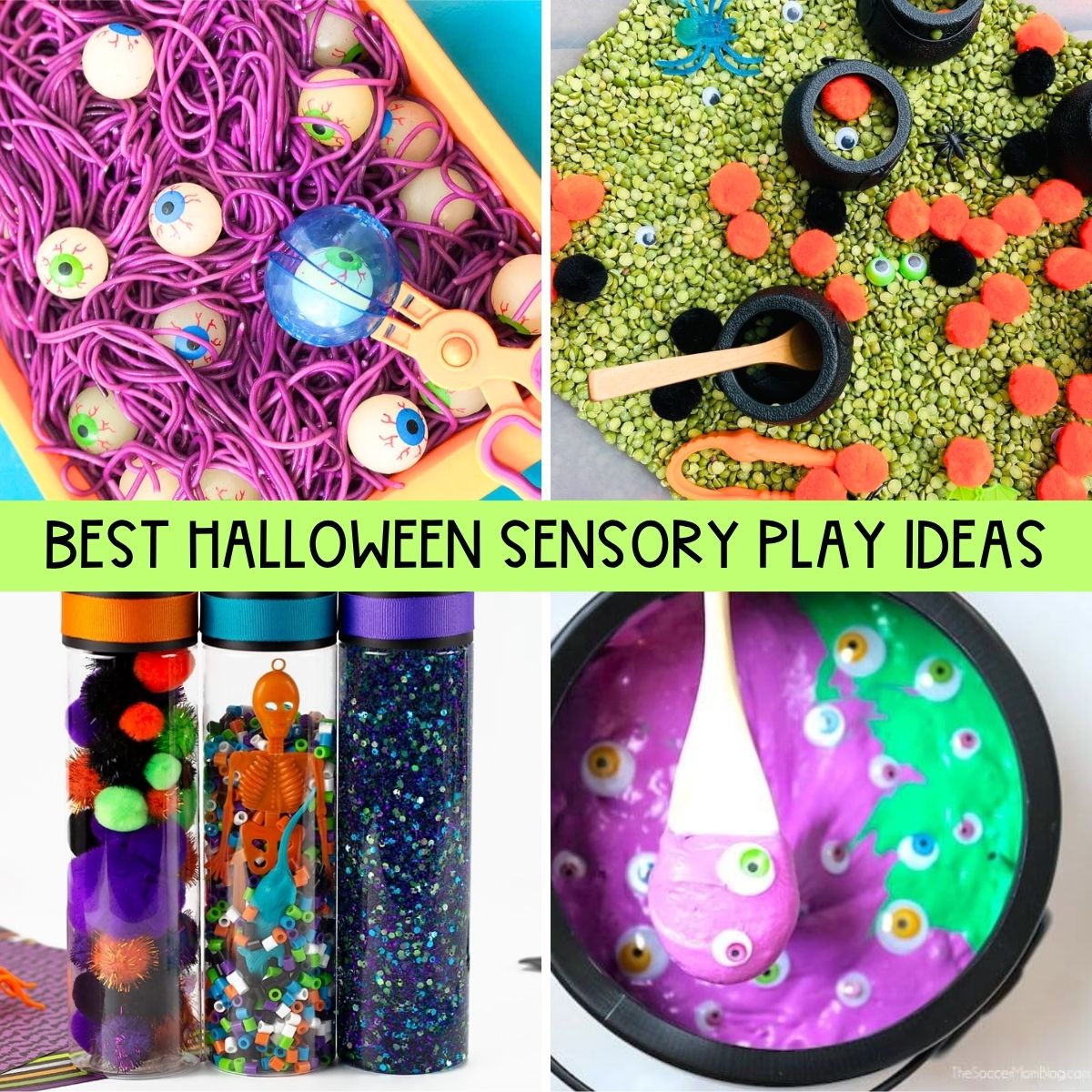
Examples include themed sensory bins, play dough activities, slime recipes, and sorting or counting games.
Sensory Play Happens Throughout the Day
Many everyday activities already support sensory development.
Sensory play can happen during:
- Cooking or baking together
- Art projects and messy play
- Music, dancing, and movement
- Outdoor walks and playground time
These experiences provide meaningful sensory input without extra setup.
Signs Your Child Is Getting Enough Sensory Play
Children usually receive enough sensory input when they:
- Explore materials willingly
- Show curiosity about textures, sounds, and movement
- Use play to calm themselves or stay focused
- Return to sensory activities on their own
If a child seems overwhelmed or disinterested, it may help to reduce stimulation or offer quieter sensory options.
Rotating Sensory Activities Helps Maintain Interest
Changing materials occasionally keeps sensory play engaging. Rotating bins, tools, or themes every few days or weekly can help prevent boredom.
Some therapists recommend rotating sensory activities rather than introducing too many at once.
Focus on Quality, Not a Schedule
Sensory play does not need to be daily, timed, or perfect. What matters most is that children have regular opportunities to explore, move, and interact with their environment.
Even small moments add up. A child pouring water, squeezing dough, or walking barefoot outside is engaging in sensory play.
Instead of asking how often kids should do sensory play, it helps to ask whether sensory experiences are part of everyday life.
When children are free to explore through touch, movement, sound, and texture, they are learning in the way their brains are designed to learn. Sensory play works best when it feels natural, enjoyable, and pressure free.