The Ultimate Guide to Sensory Play for Toddlers and Preschoolers
Sensory play looks different as kids grow, but one thing stays the same: toddlers and preschoolers learn best through hands-on, sensory-rich experiences.
There are affiliate links in this post – please read my full disclosure policy. As an Amazon Associate, I earn from qualifying purchases.

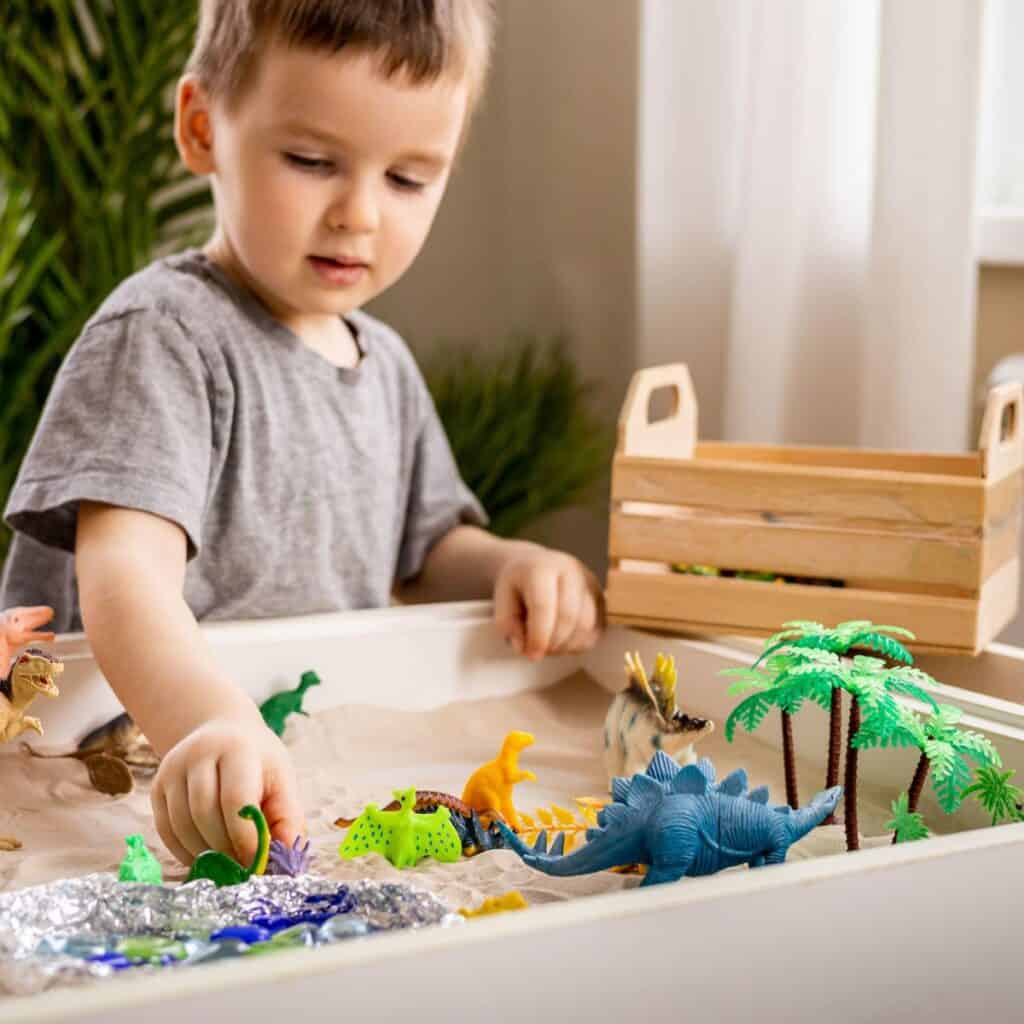
From scooping and pouring to squishing play dough and exploring textures, sensory play for toddlers and preschoolers supports learning, motor skills, language development, and emotional regulation — all through play.
This guide breaks down what sensory play looks like at different ages, how often to do it, and how to choose age-appropriate sensory activities that actually work.
👧What Is Sensory Play for Toddlers and Preschoolers?
Sensory play for toddlers and preschoolers includes activities that engage one or more senses while encouraging exploration, movement, and creativity.
At these ages, sensory play is:
- Hands-on and open-ended
- Focused on process, not results
- Designed to build skills through repetition
Common sensory play activities include:
- Sensory bins
- Play dough and slime
- Water play
- Fine motor sensory activities
- Calming sensory experiences
⭐️Sensory Play for Toddlers (Ages 1–3)
How Toddlers Learn Through Sensory Play
Toddlers are learning cause and effect, building coordination, and developing early language. Sensory play for toddlers should be simple, safe, and repetitive.
At this stage, sensory play helps toddlers:
- Strengthen hand muscles
- Improve coordination
- Explore textures and sounds
- Learn early problem-solving skills
Best Sensory Activities for Toddlers
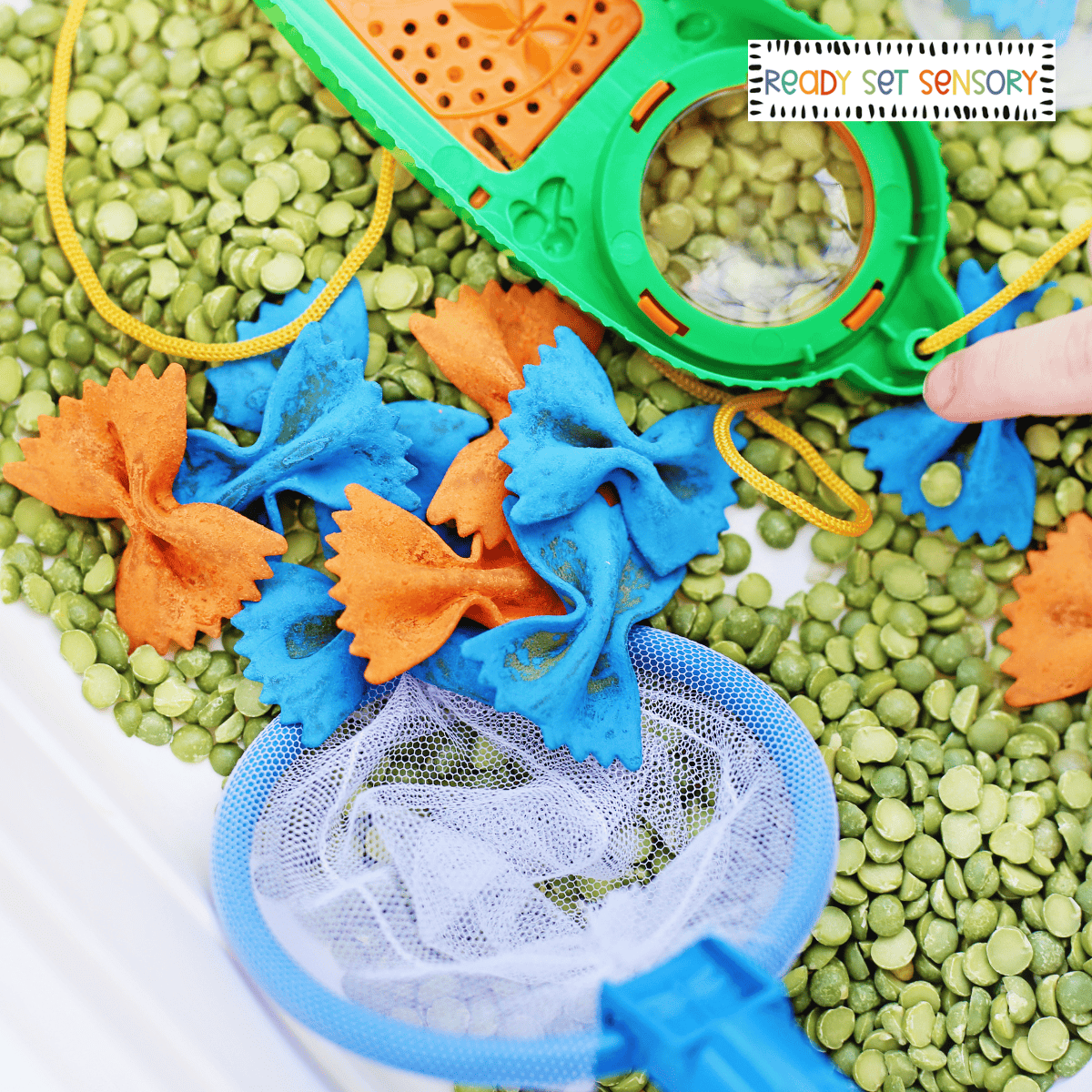
- Large-grain sensory bins (rice, oats, pasta)
- Water play with cups and scoops
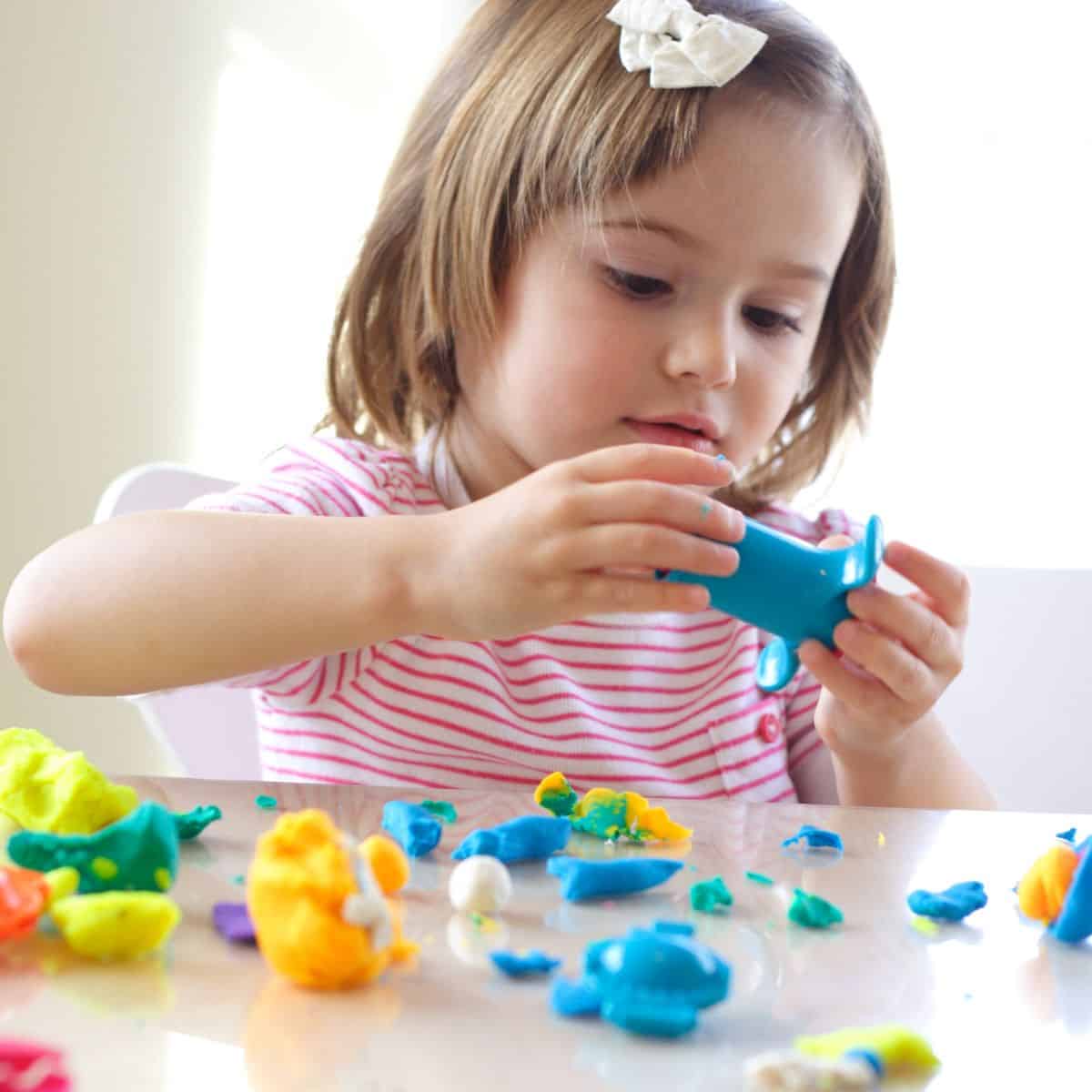
- Soft play dough or taste-safe dough
- Sensory bottles
- Texture boards and mats
💡 Tip: Always supervise toddler sensory play and avoid small materials that could be choking hazards.
⭐️Sensory Play for Preschoolers (Ages 3–5)
How Preschoolers Use Sensory Play to Learn
Preschoolers are ready for more complex sensory play. They use sensory activities to explore ideas, build independence, and develop early academic skills.
Sensory play for preschoolers supports:
- Fine motor development
- Early literacy and math skills
- Creativity and imagination
- Emotional regulation and focus
Best Sensory Activities for Preschoolers
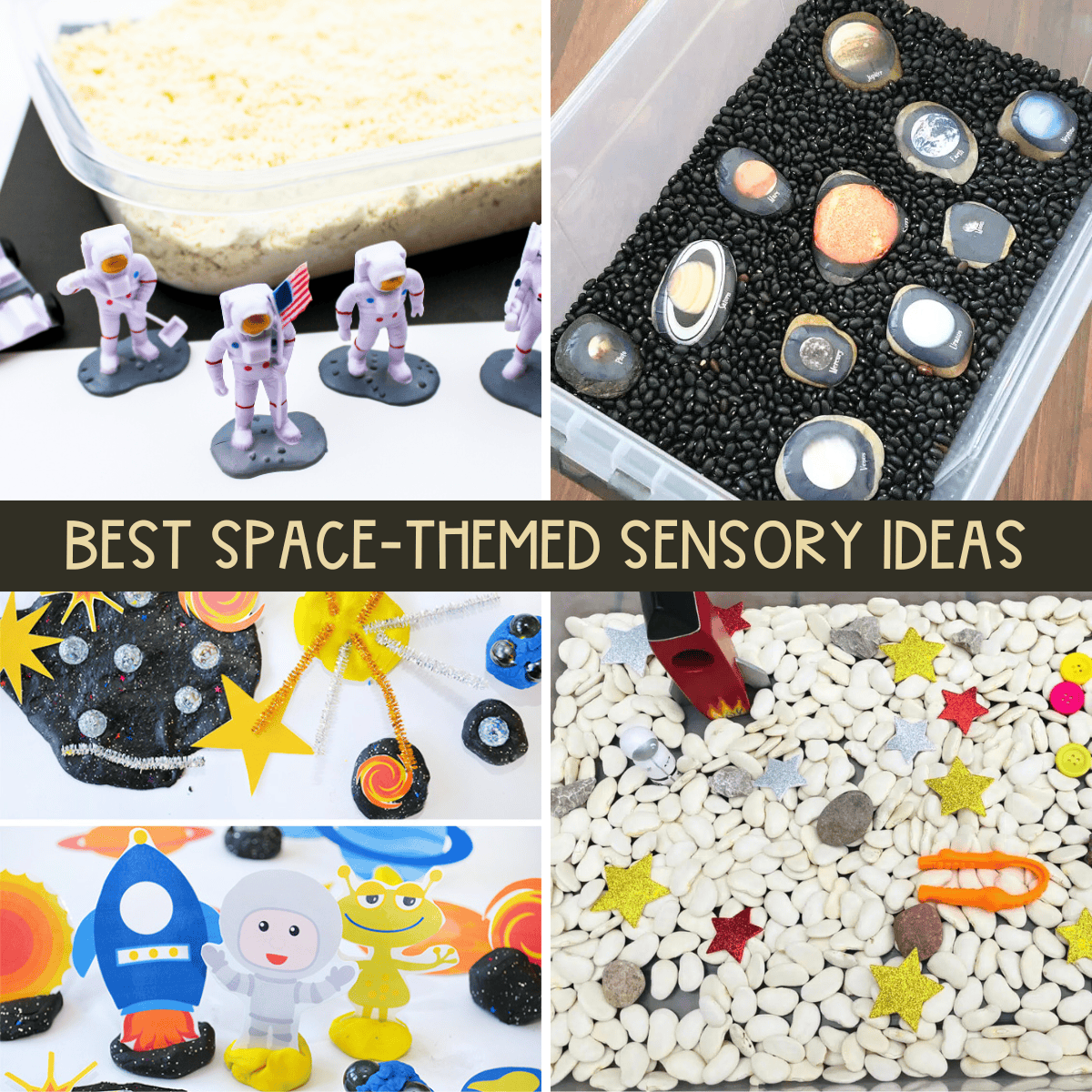
- Themed sensory bins with tools
- Play dough and slime recipes
- Letter and number sensory mats
- Sorting and matching activities
- Sensory play prompts and challenges
Preschool sensory play often blends learning with creativity, making it ideal for both home and classroom settings.
🧠Benefits of Sensory Play for Toddlers and Preschoolers
Supports Early Learning Skills
Sensory play naturally reinforces counting, sorting, matching, and early literacy when kids interact with letters, numbers, and objects in meaningful ways.
Builds Fine and Gross Motor Skills
Scooping, squeezing, pouring, and transferring materials strengthen the muscles kids need for writing, cutting, and daily tasks.
Encourages Language Development
Sensory play creates opportunities for kids to describe what they feel, see, and do — expanding vocabulary and communication skills.
Helps With Emotional Regulation
Repetitive sensory activities can be calming and grounding, helping toddlers and preschoolers manage big emotions and transitions.
Promotes Independence and Confidence
Because sensory play is open-ended, kids make their own choices and build confidence through exploration.
📌How Often Should Toddlers and Preschoolers Do Sensory Play?
You don’t need elaborate setups or long sessions for sensory play to be effective.
Most families and classrooms aim for:
- 10–20 minutes a day for toddlers
- 20–30 minutes a few times a week for preschoolers
Short, consistent sensory play experiences are more beneficial than occasional, overly complex activities.
❤️Safe Sensory Play for Toddlers and Preschoolers
Safety is an important part of sensory play, especially for younger kids.
Sensory Play Safety Tips
- Always supervise young children
- Use age-appropriate materials
- Avoid small objects for toddlers
- Choose taste-safe options when needed
- Set clear boundaries for play areas
With the right materials and expectations, sensory play can be both safe and fun.
💫Sensory Play Ideas for Home and Classroom
Sensory play works well in many environments.
Sensory Play at Home
- Kitchen table sensory trays
- Floor sensory bins on a mat
- Calm-down sensory activities after school
Sensory Play in the Classroom
- Sensory centers and tables
- Rotating sensory bins by theme
- Calm-down corners with sensory tools
The key is creating consistent opportunities for sensory exploration.
💡Getting Started With Sensory Play for Toddlers and Preschoolers
If you’re new to sensory play:
- Start with one simple activity
- Use materials you already have
- Let kids explore without instructions
- Rotate activities weekly to keep interest high
Sensory play doesn’t need to be complicated to be effective.
Sensory play for toddlers and preschoolers supports learning, creativity, and emotional growth during the most important developmental years. Whether you’re setting up a quick sensory bin or planning a weekly sensory routine, these experiences help kids build skills through play — exactly how young children learn best.